Motoring
Worth, Not Price
A capital allocator's case that provenance, not the hammer figure, is the asset you are actually buying at a great auction.
Vol. XI, No. II
The Collector’s Review
Features and opinion on collecting, access, and the finer things. Newest first.
A capital allocator's case that provenance, not the hammer figure, is the asset you are actually buying at a great auction.

How to fly privately, intelligently and for less, without mistaking convenience for sense.

How the second labels of great houses deliver most of the pleasure for a fraction of the price, if you know when they shine.

An afternoon with the painter D.C. Christian, who shows by invitation only, on why the hardest work is the kind worth keeping.
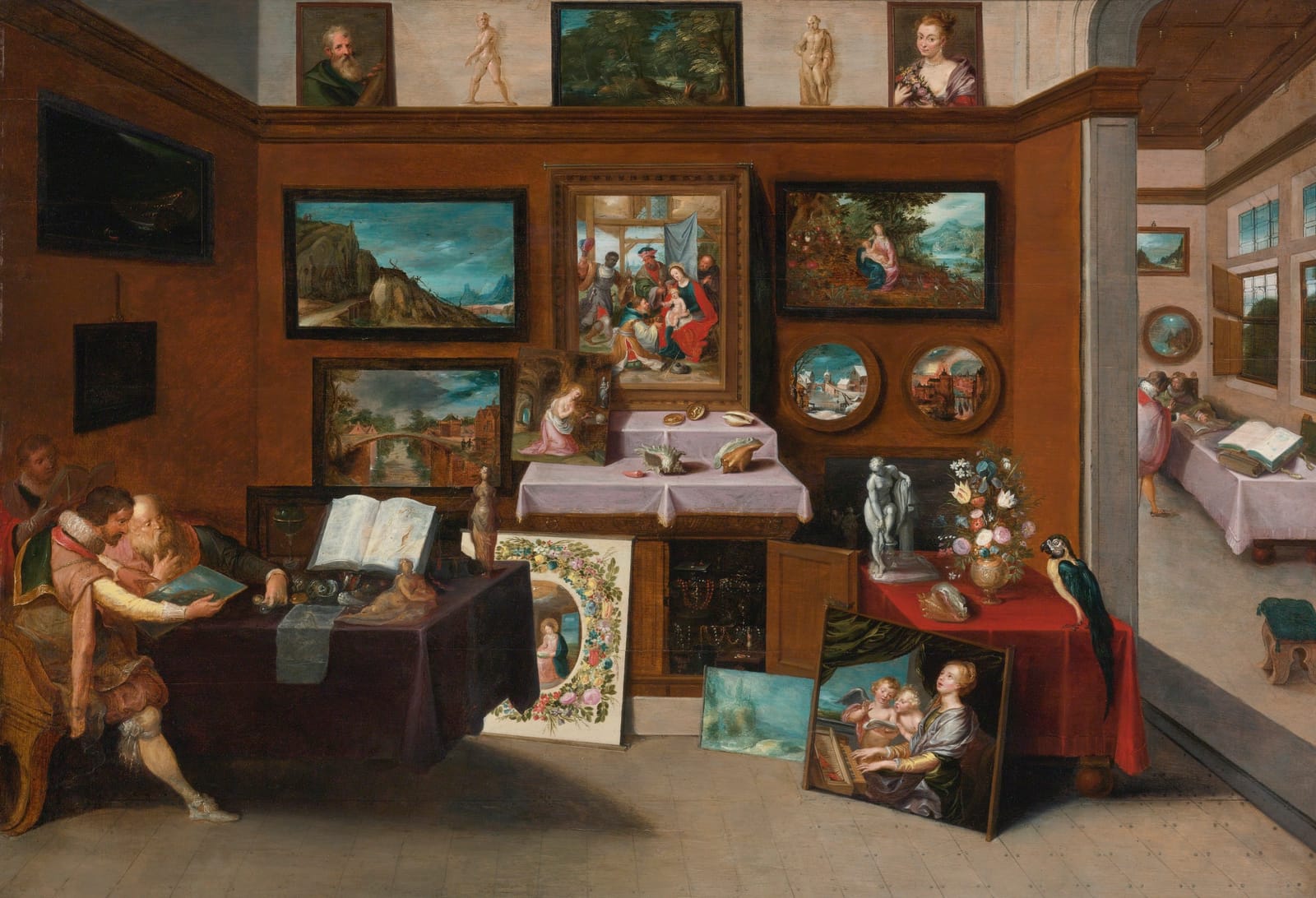
In art, as at auction, the signature is the easiest thing to pay for and the least worth having. Collect the work, not the name.
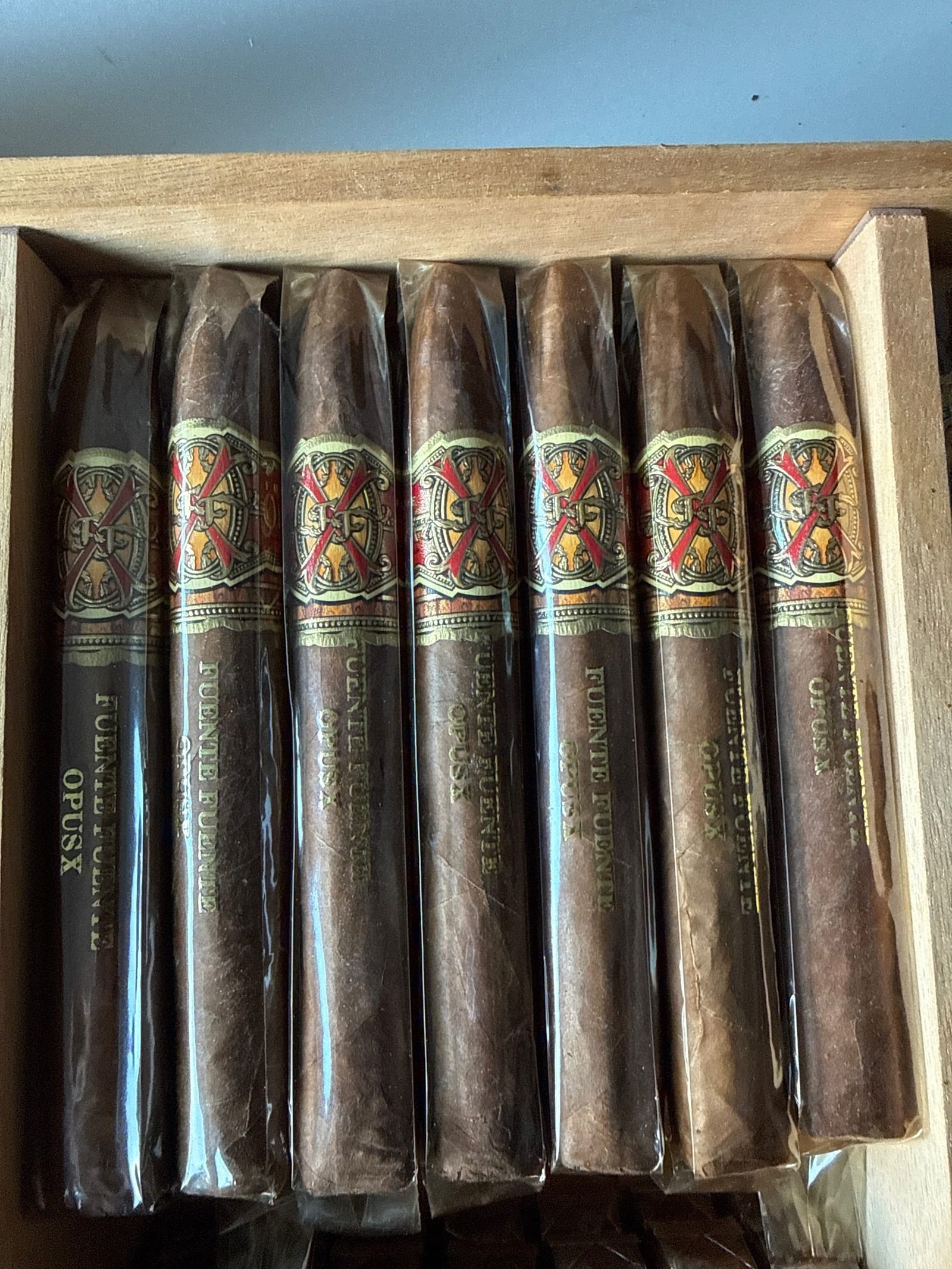
The most chased box in the room is rarely the best smoke in it. On allocation, scarcity, and keeping your head when everyone else loses theirs.
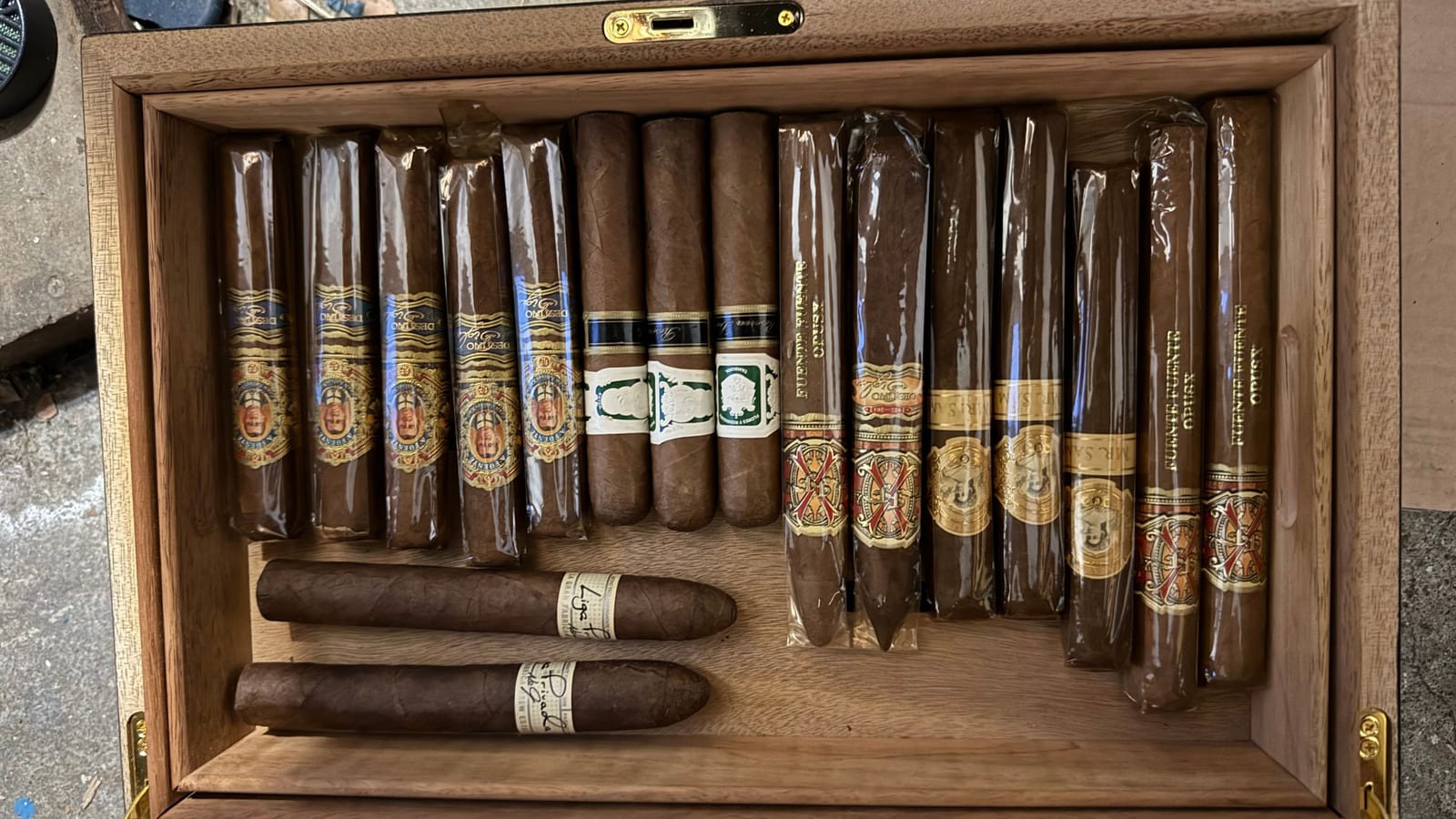
Aging, scarcity, and the quiet discipline of holding a humidor the way you would any portfolio worth keeping.

Cask strength is not machismo. It is the most honest version of a spirit, and it lets you do the diluting yourself.

Delivery-mileage cars are sold as the safest buy. For anything built to be driven, they are often the weakest.
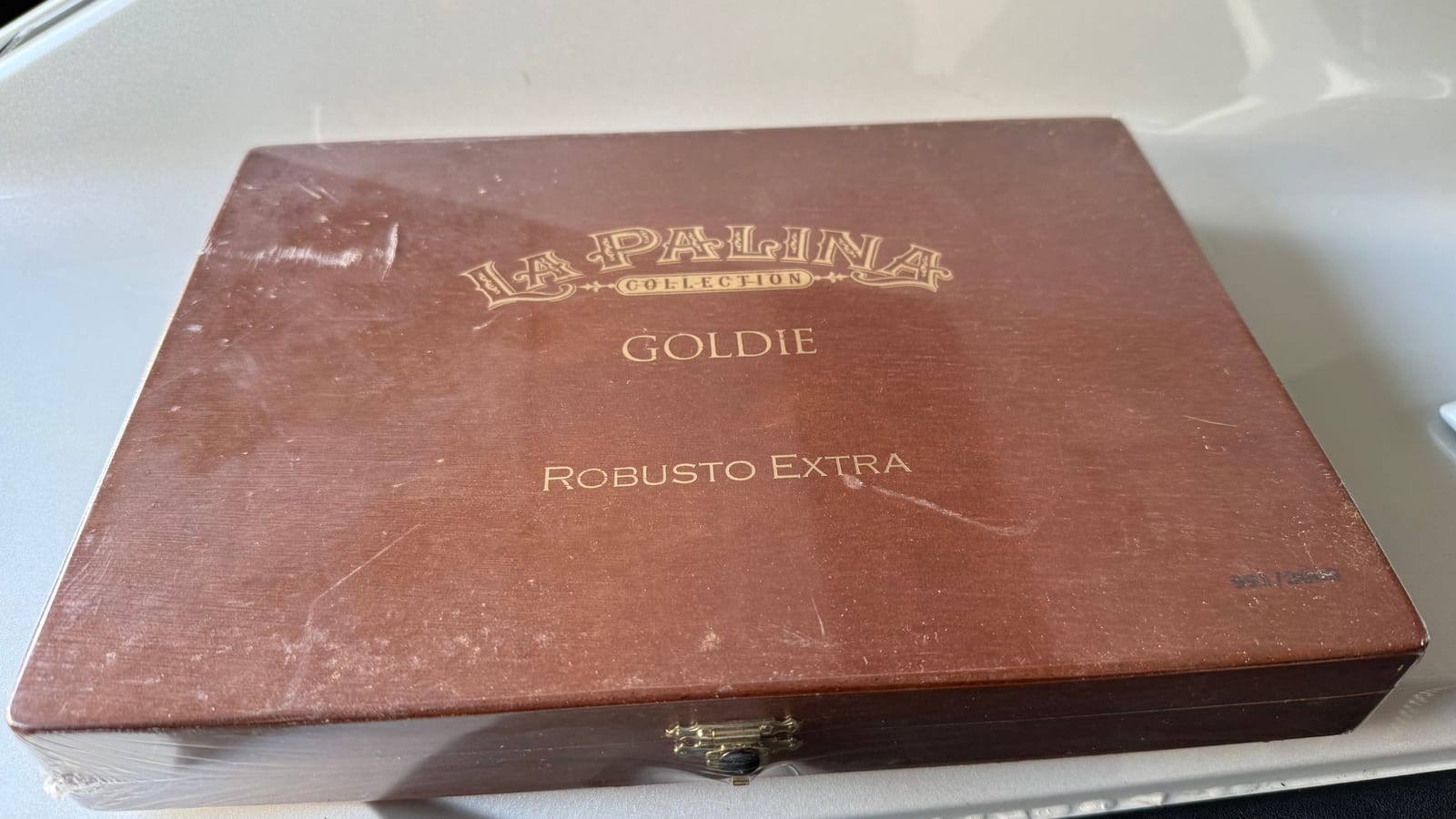
Rare cigars have a quiet secondary market. For the collector who buys with intent, the resale room is part of the portfolio.

Bottle size is not vanity. The format you cellar changes how a wine ages, and usually for the better.

Art bought to be looked at outlasts art bought to be stored. The case for hanging the thing rather than vaulting it.
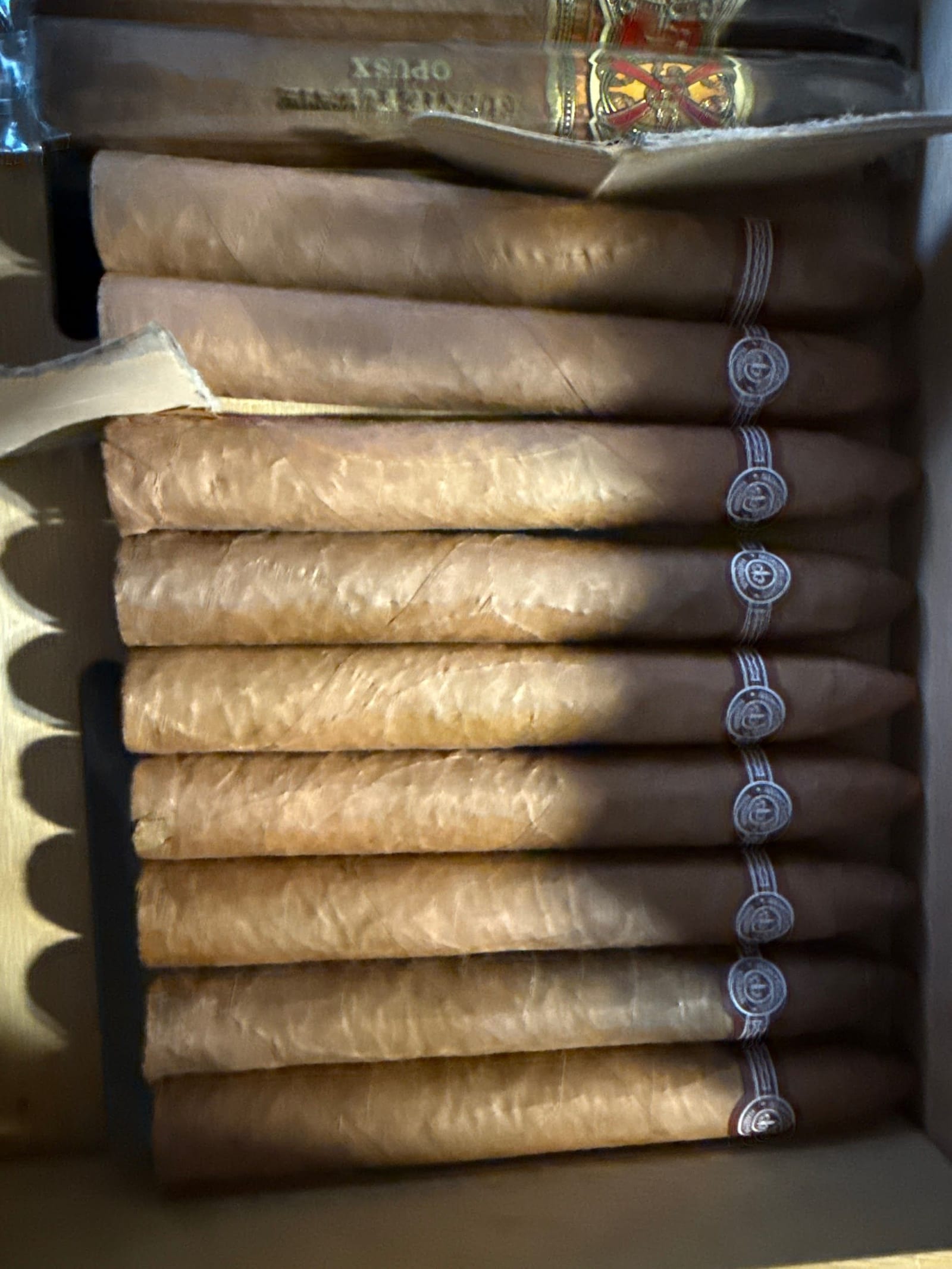
The same blend smokes differently in a different size. Why the vitola is a flavour decision, not a preference.
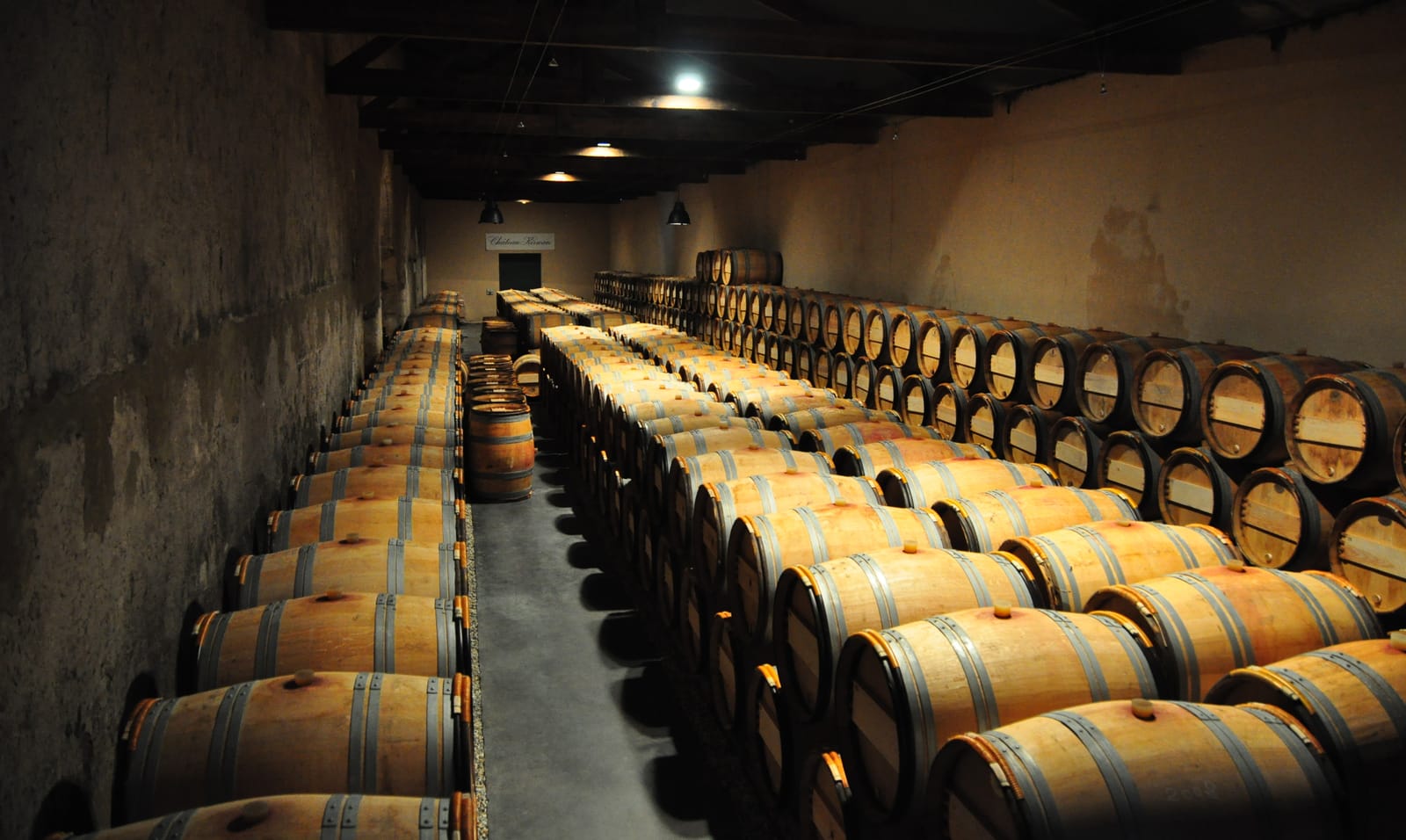
When to hold and when to drink, and why patience, not provenance, is the cellar's real asset.

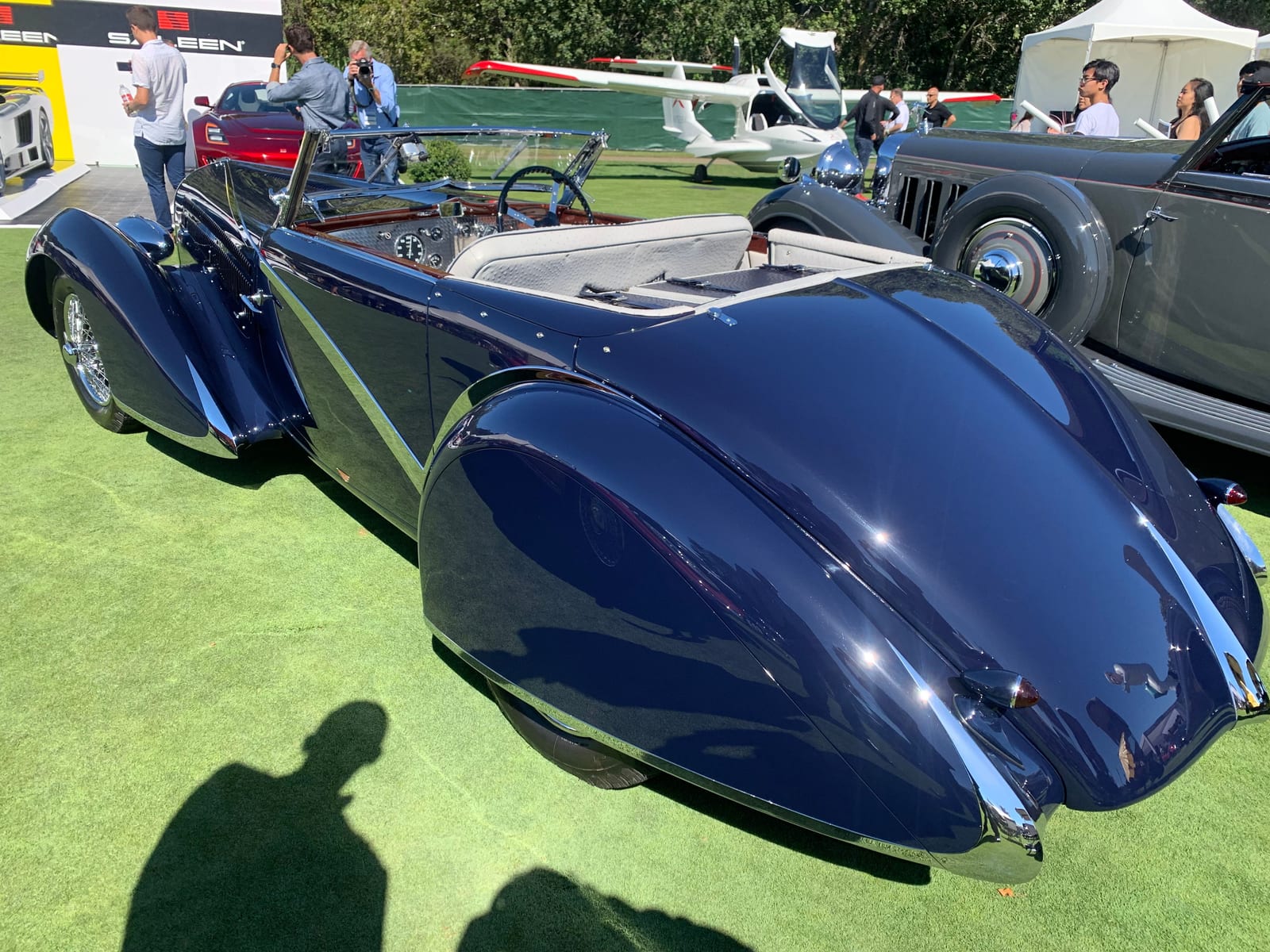
A lawn full of the best cars in the world is a free education in worth. What to study while everyone else takes photographs.
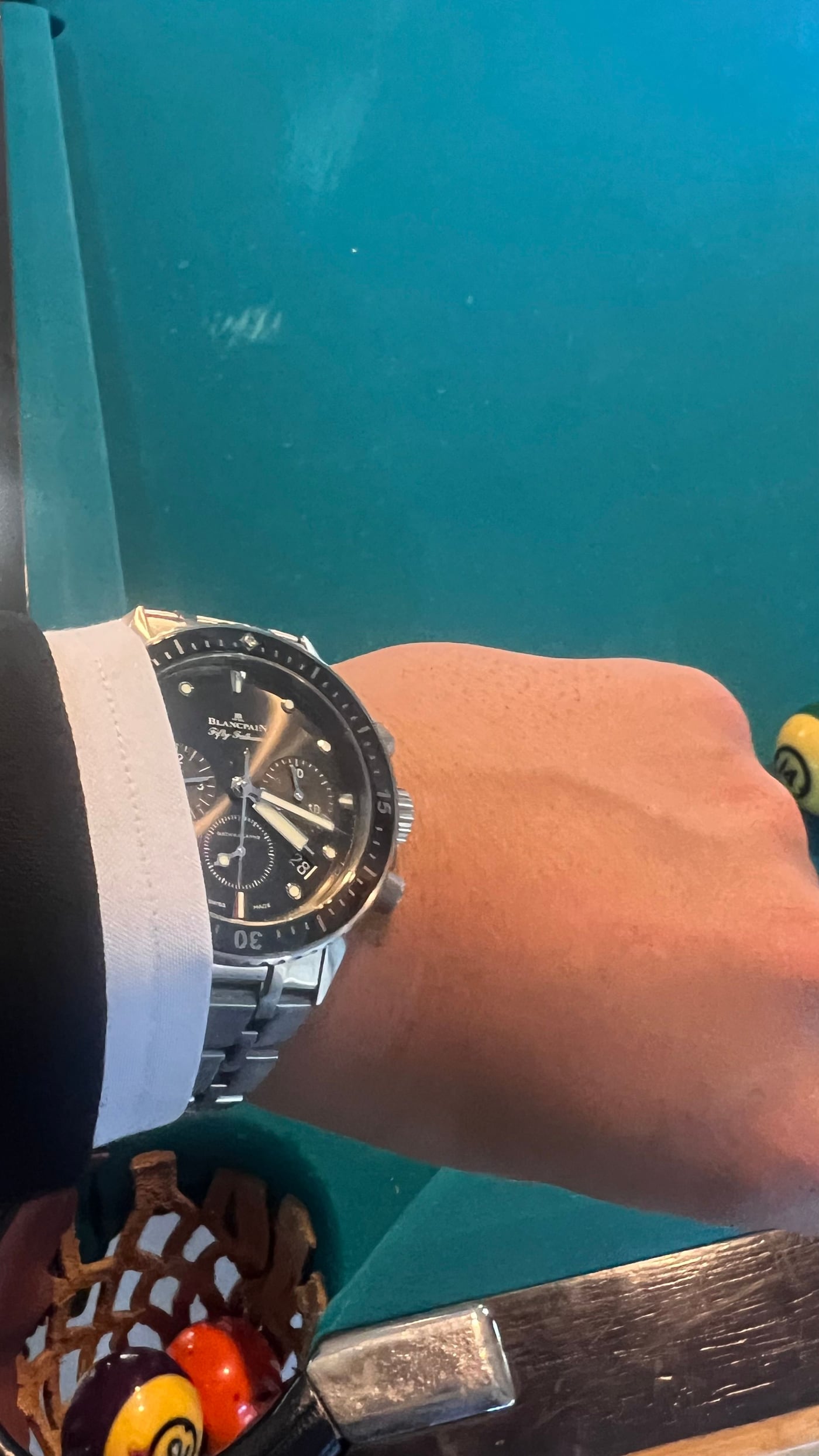
Why understatement signals real horological taste, and how in-house substance outlasts the marketing around it.
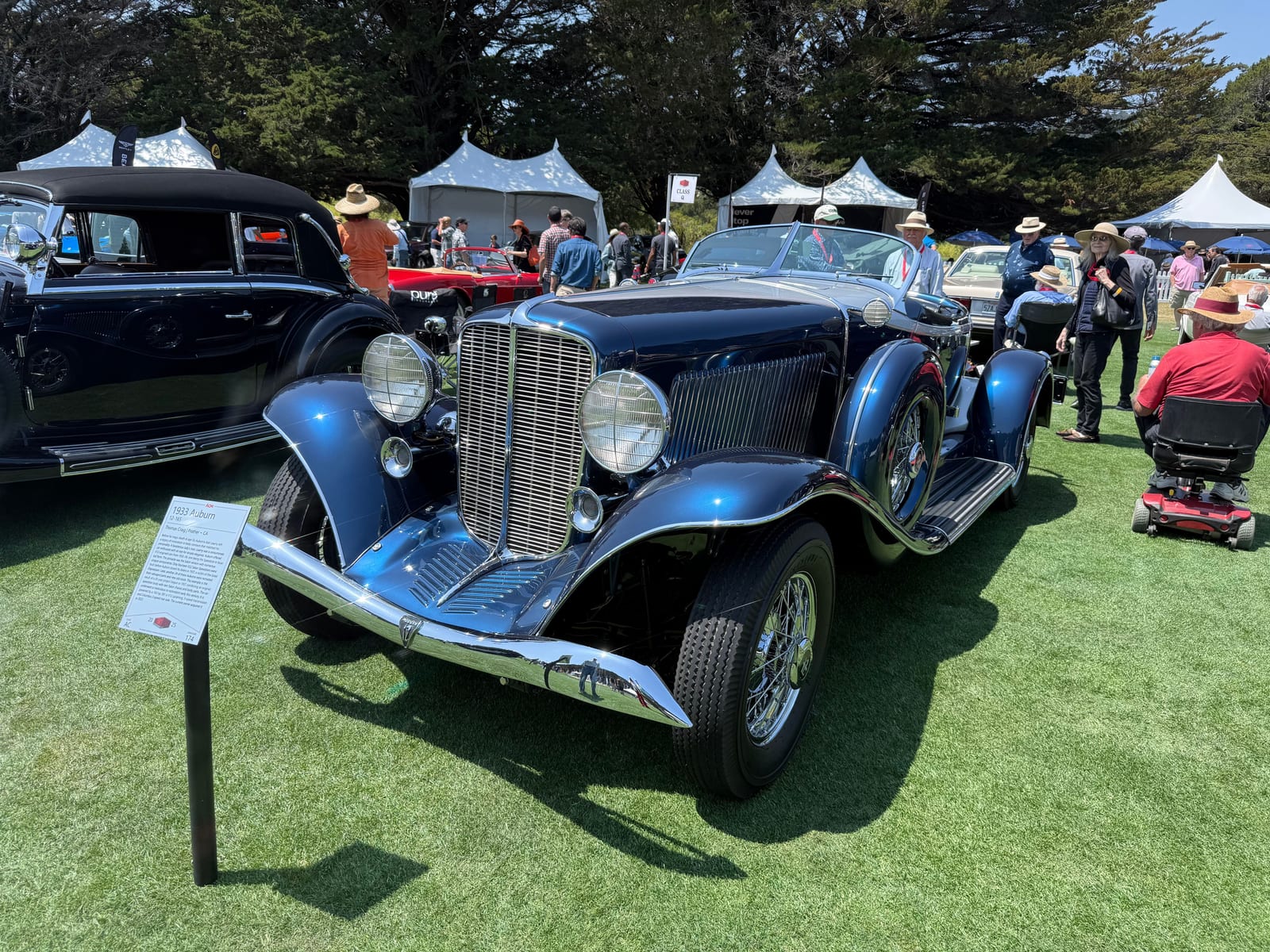
Why originality beats a flawless restoration, and how to read a panel before you believe the paint.
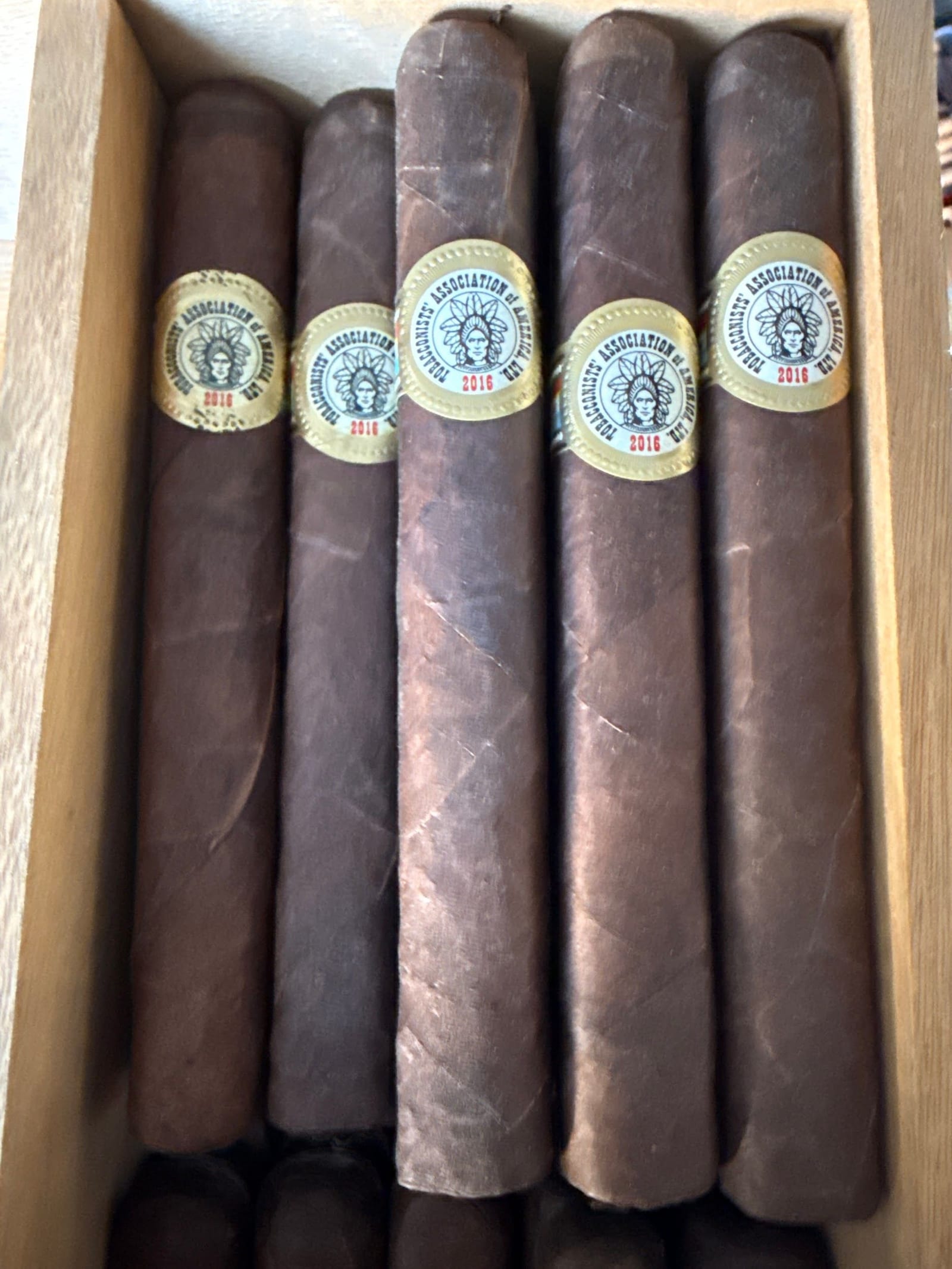
Limited annual releases are made to be chased and smoked young. The case for the rarer patience of ageing them instead.

Older is not always better. Why the cask, not the figure on the label, decides what reaches the glass.

The cheapest private flight is the one the operator was going to fly anyway. How to make flexibility pay.
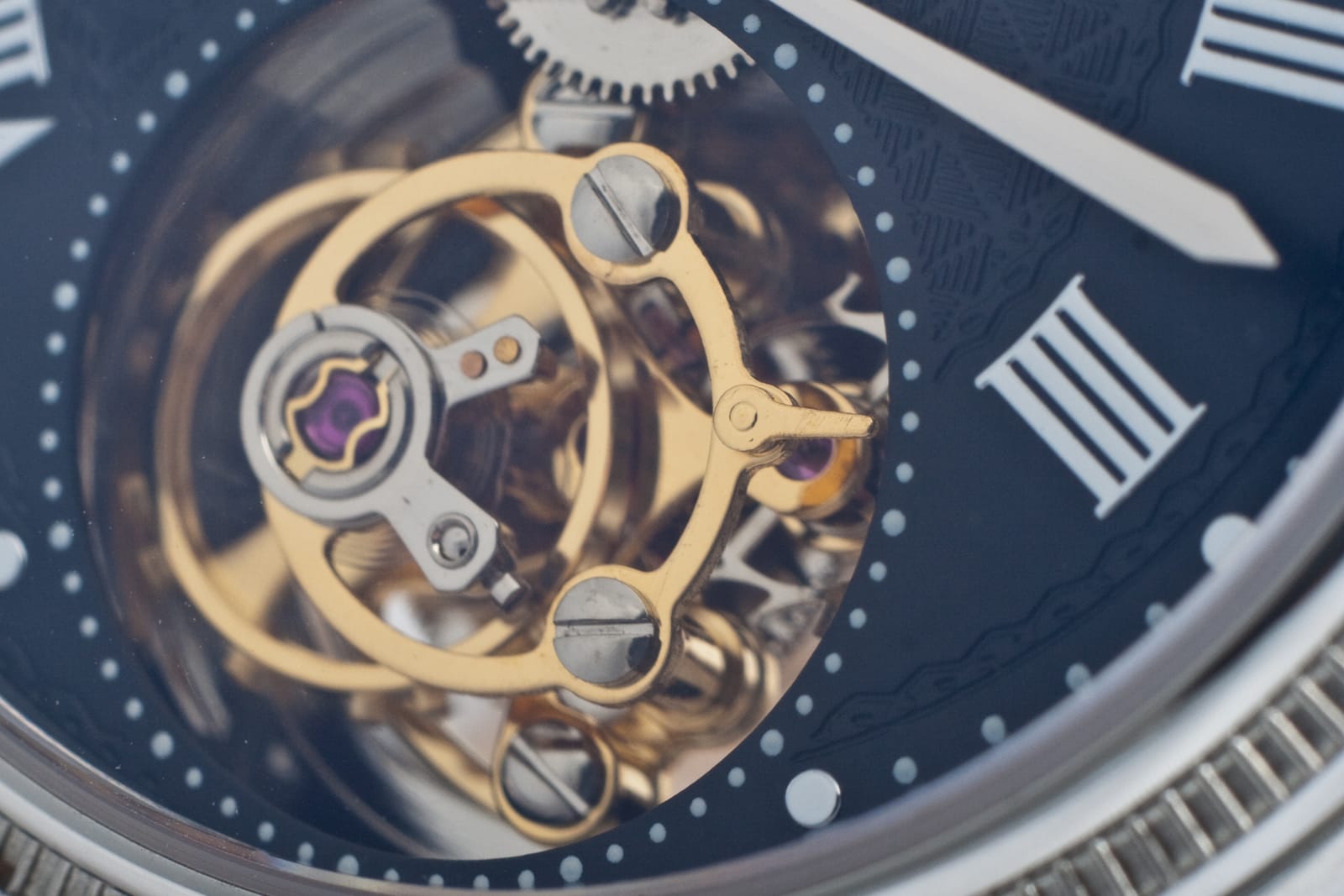
In the vintage market, provenance and dealer trust are the product. The watch is what comes in the box.

Independent bottlers pour the same distilleries with less marketing and more candour, and often for less. Why the plain label rewards the curious.