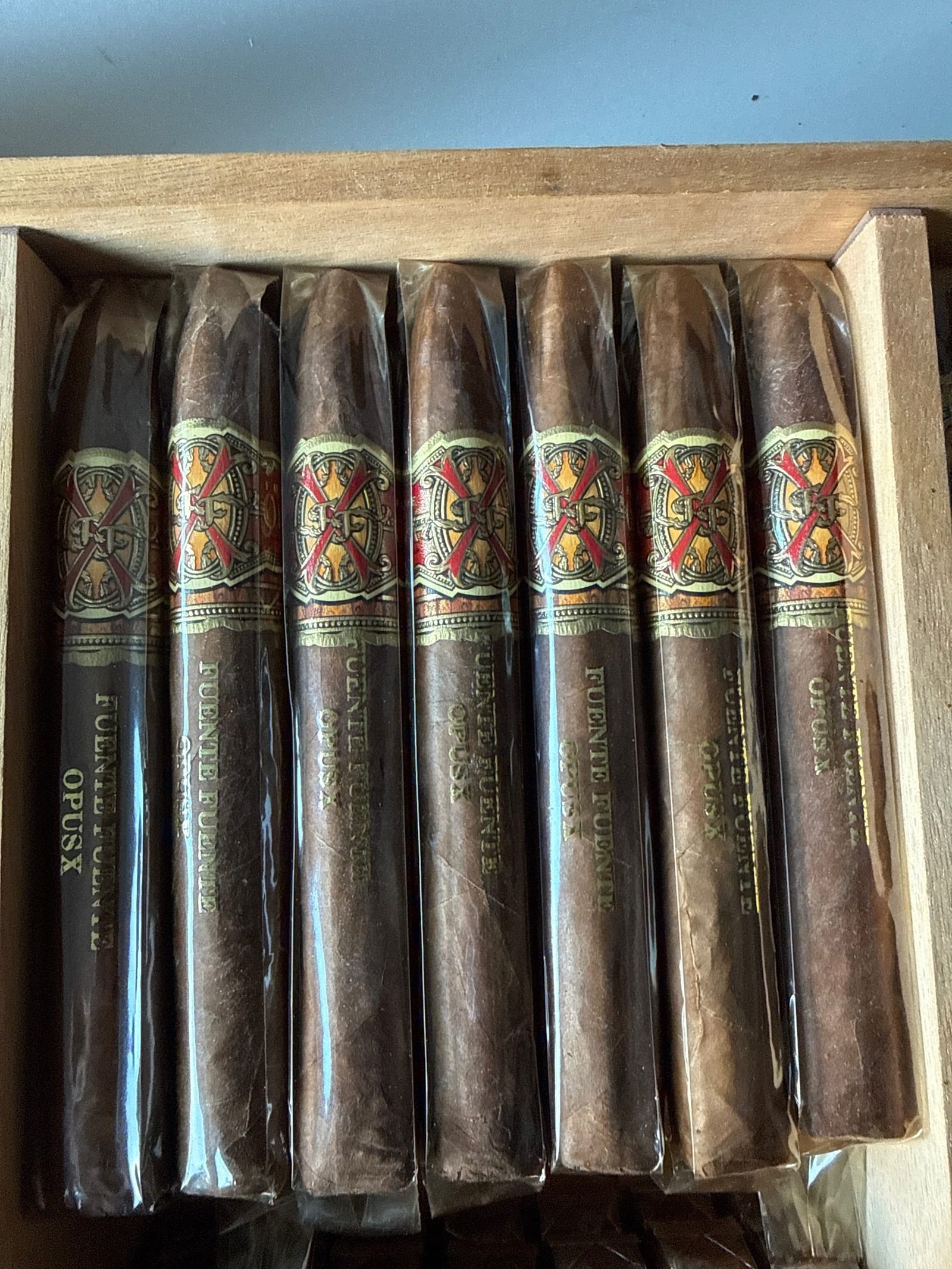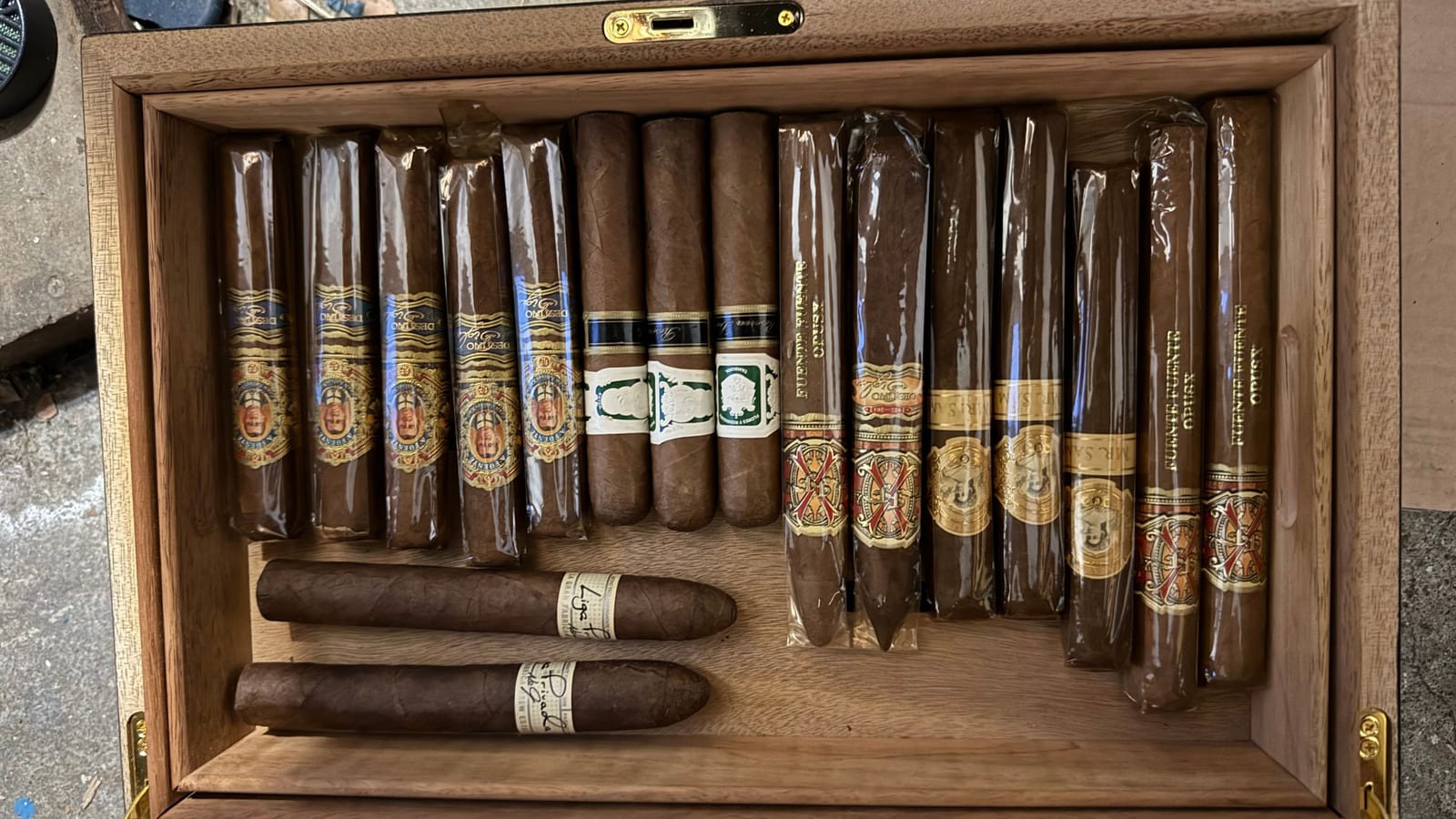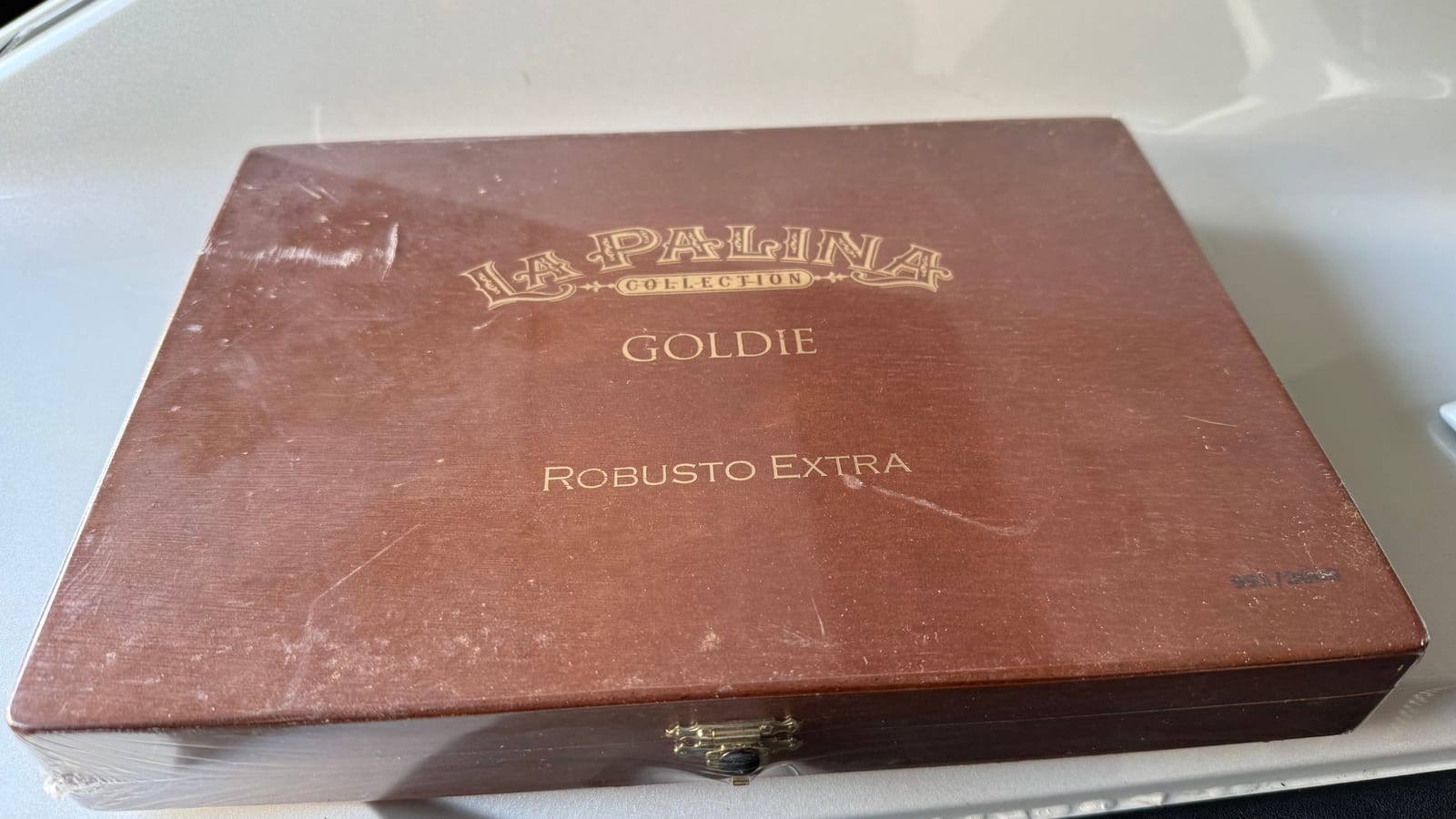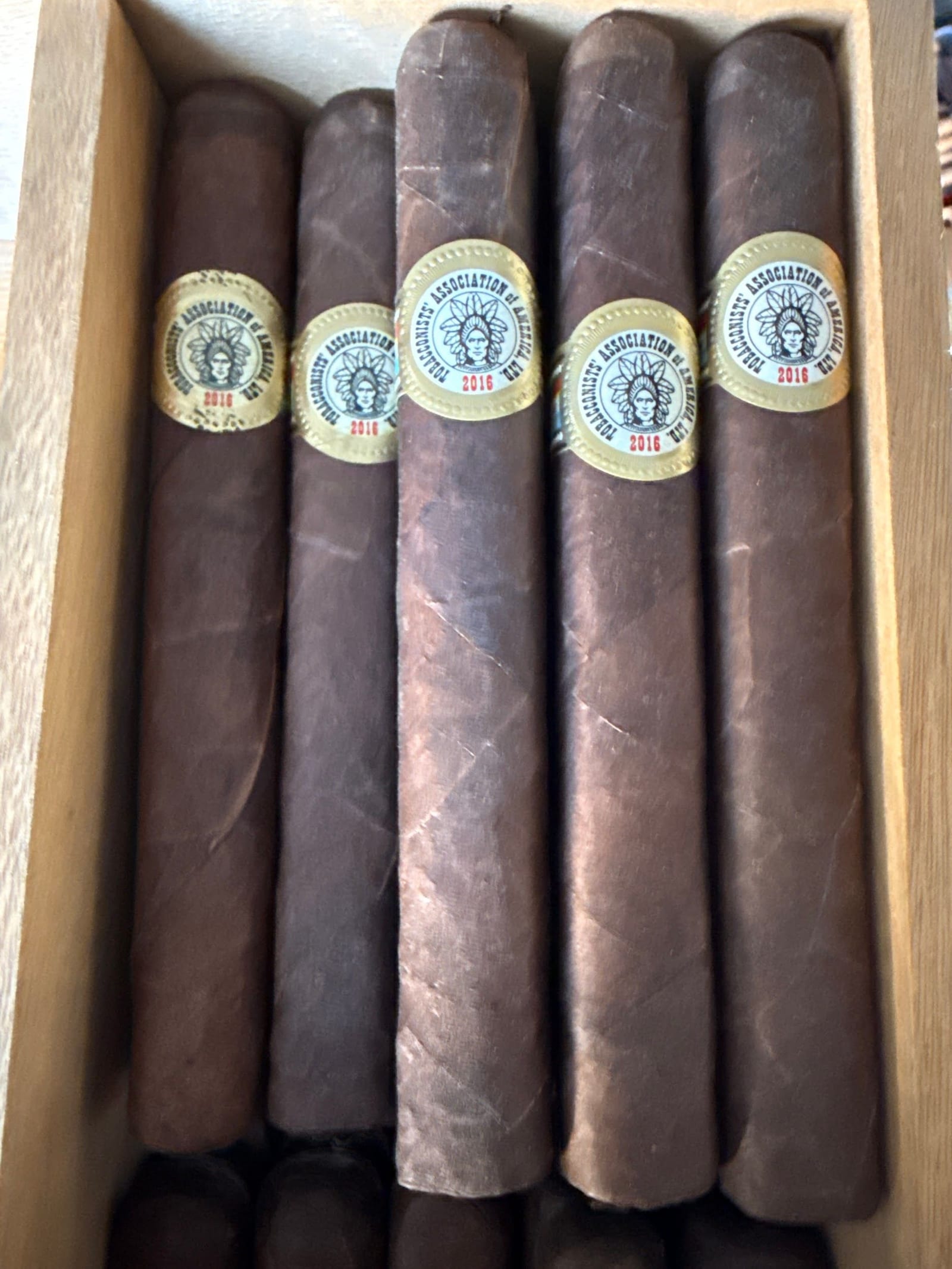
The limited annual release is built for impatience. A box lands, a date circulates, and the allocation evaporates by lunch. Within a week the same cigars are being lit in the same lounges by the same people, all of them comparing notes on a blend that has had no time to become anything other than what it was on the factory floor. There is pleasure in that, certainly, the small theatre of having got one. But the genuinely interesting question is the one almost nobody asks: what would this taste like in three years? The release was designed to be chased. The discipline is in refusing to smoke it on schedule.
Ageing a cigar is not a mystery, though it is treated as one. Tobacco is an agricultural product, and like wine it carries volatile compounds, ammonia, and rough edges that time softens. The marrying of a multi-leaf blend, the settling of its strength into something rounder, the slow trade of green sharpness for a deeper, more integrated sweetness: this happens whether anyone is paying attention or not. The trouble is that almost no one stays with a limited release long enough to find out, because the entire culture around it pushes toward consumption now, while the scarcity still feels like a story worth telling.
Which limiteds reward time, and which do not
Not everything improves, and pretending otherwise is how people end up with a humidor of disappointments. The releases that reward patience are the fuller, structured ones: high-priming ligero, dense ring gauges, blends built with obvious tannic grip and a strength that feels slightly unresolved on release. Those cigars are wound tight. Give them eighteen months to several years and they unwind into themselves, the power banking down into a long, savoury middle. That same architecture is exactly what makes them a little brutal fresh, which is why so many get a poor first review and an unfair reputation.
The lighter releases are the opposite case. A delicate Connecticut-shade blend, or anything built around perfume and top-note brightness, tends to fade rather than deepen. The very qualities you bought it for are the first to go. Age one of those and you are often left with something flatter than the cigar you started with, the bright edge gone and nothing of equal interest arriving to replace it. Knowing the difference is most of the skill. The rest is having the nerve to leave the box shut.
The mechanics, and the honest caveat
The method is unglamorous, which is rather the point. Hold a box at steady humidity, somewhere in the high sixties to around seventy per cent, at a stable, cool-ish temperature, and then do almost nothing. Stability matters more than any particular number; cigars dislike swings far more than they dislike a slightly conservative set point. Keep limited releases boxed rather than loose, label the arrival date, and resist the urge to open them to check. The single most useful habit is to smoke one cigar on arrival and write down honestly what it is. That note is your starting point, the provenance of your own patience, the only way you will ever know whether the wait did anything at all.
This is the same logic that governs a cellar or a well-kept car. The wine is not improved by being talked about, and a matching-numbers history is worth more than a fresh respray. The asset is patience itself, documented and undisturbed. A laid-down box, with a dated note and an unbroken seal, is provenance you created rather than inherited.
The honest caveat is that chasing every release is a trap, and ageing does not redeem a mediocre blend. Time is a magnifier, not a corrective; it makes a good cigar more itself and a thin one more obviously thin. The aim is not to hoard every limited that appears. It is to identify the few with the structure to repay waiting, buy enough of those to sample across years, and let the rest of the market sprint past.
The rarer thing
Everyone in the room has smoked this year’s release. Almost no one has smoked a three-year-old box of it, tasted against a note written the day it arrived, because almost no one had the discipline to wait. That is the rarer thing, rarer than the allocation itself, which was only ever a matter of being quick. The cigar you laid down and forgot is the one that will eventually surprise you, and surprise is in short supply among people who buy everything and wait for nothing. Chase less. Keep the box shut. Let time do the work that hurry never can.