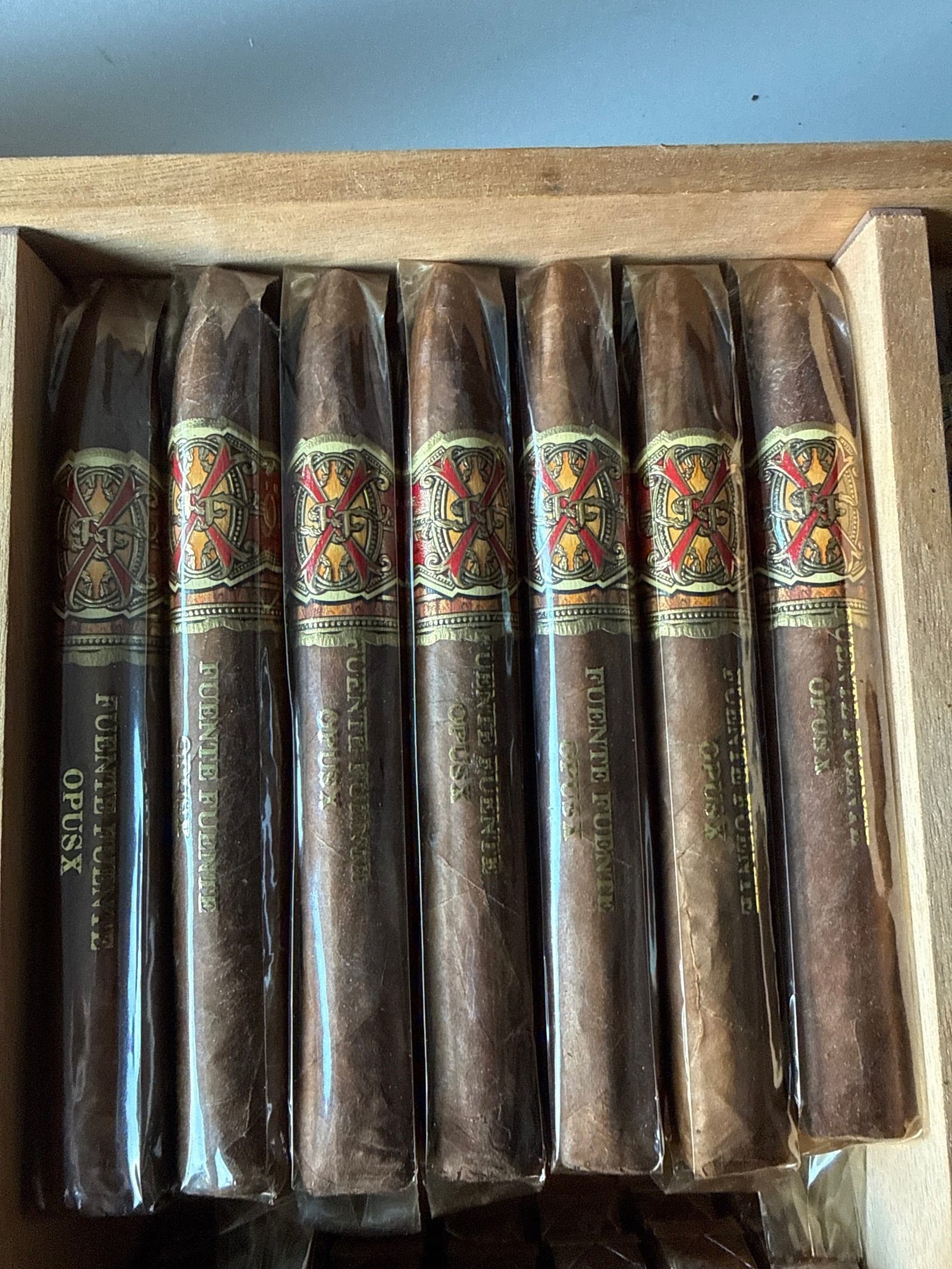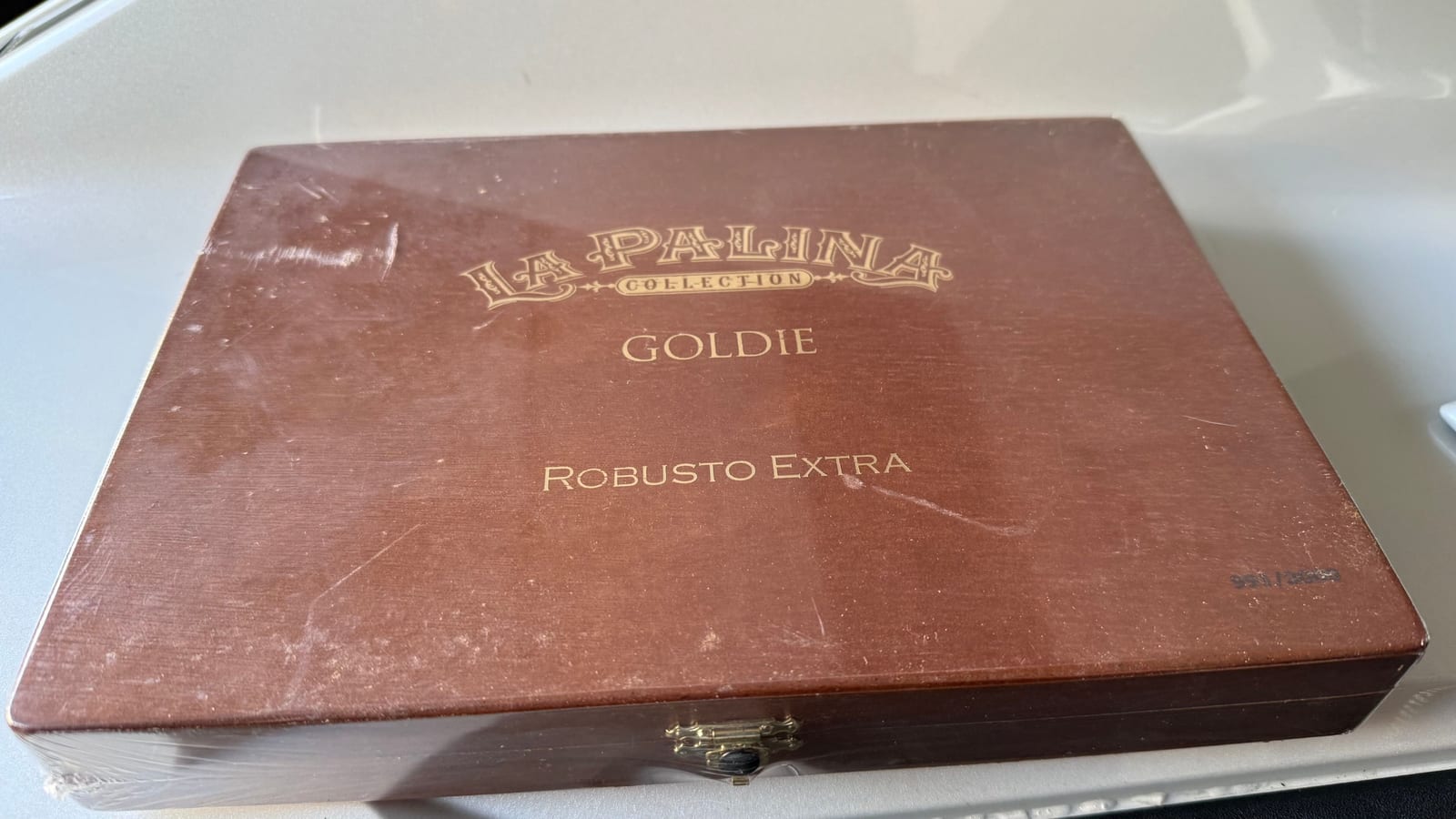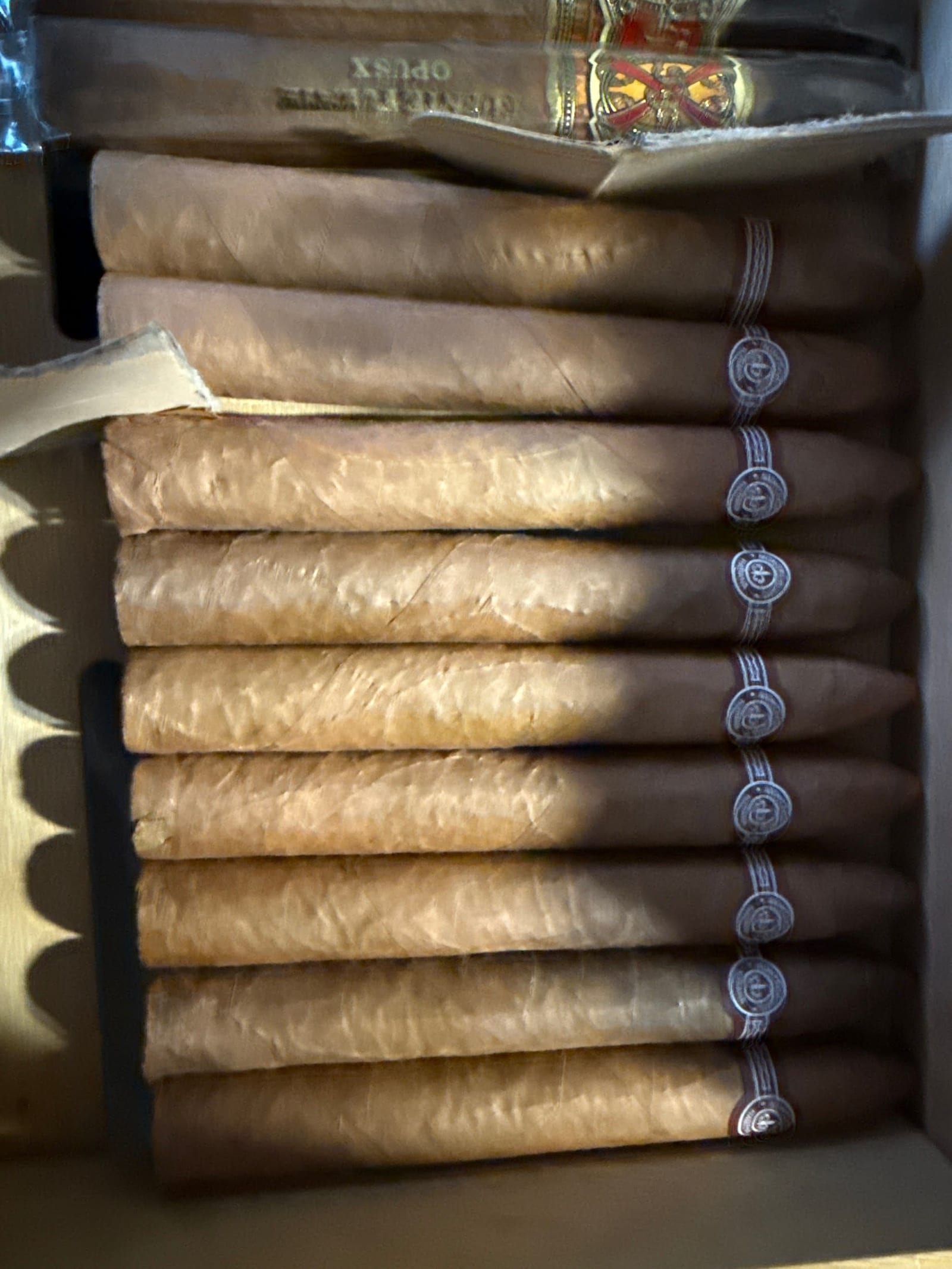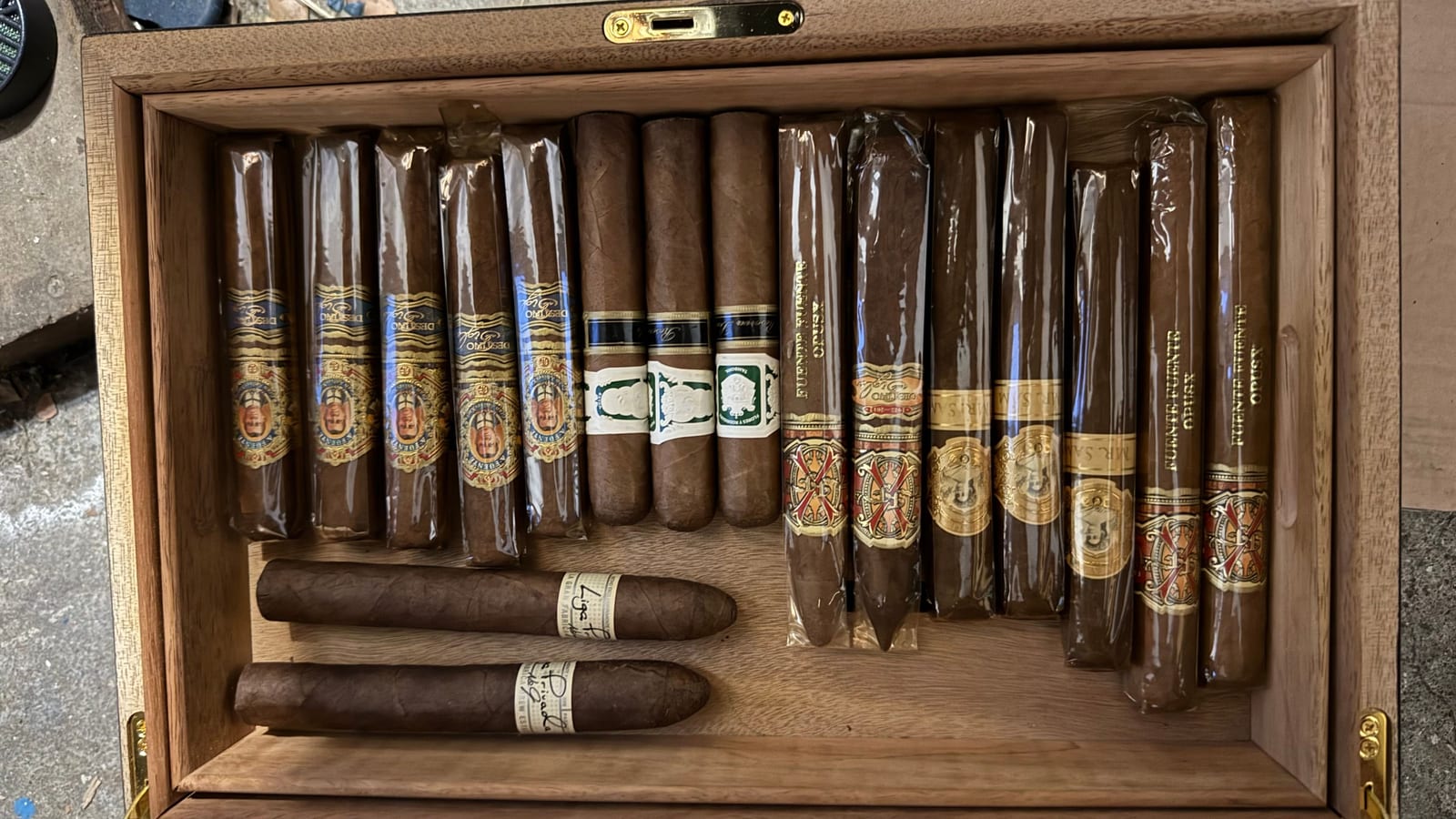
A humidor is a portfolio that happens to smell of cedar. Like any portfolio it rewards patience, punishes neglect, and quietly separates the people who plan from the people who react. The difference is that this one demands a discipline most investors never face: the assets get better while you resist the urge to consume them. A share certificate does not tempt you to spend it on a Friday evening. A robusto does, and the whole of the practice is learning to keep your hands off the ones you have set aside for later.
The instinct of the new enthusiast is to buy what is good now and smoke it soon. The instinct of the collector is to buy what will be better later and forget where it is for a few years. Both are valid. Only the second is collecting, and only the second asks anything of you. What it asks is not money so much as sequencing: the willingness to hold two intentions at once, a rotation you draw down this month and a reserve you do not touch, and never to raid the second to feed the first.
Aging is the dividend
A well-made cigar is not finished when it is rolled. Given time at a steady humidity, the tobaccos marry, the rough edges of a young blend settle, and ammonia notes give way to something rounder and more composed. The volatile compounds a fresh cigar carries, the sharp, green, faintly barnyard edges, are the first to soften, and what is left behind reads as sweeter and more integrated even though nothing has been added. This is the dividend that requires nothing but restraint: you do not feed it, you do not tend it daily, you simply leave it alone in good conditions and let the leaf do what leaf does.
The change is not linear, which is why an impatient owner checks too early and concludes nothing is happening. A cigar laid down in spring can taste closed, even worse than the day you bought it, through its first months, then open into something noticeably better a year later. Collectors call this the sick period, the flat stretch when a cigar is mid-marriage and shows the least. It passes. Knowing it exists is what stops you writing off a box that simply had not arrived yet.
Not everything improves, and pretending otherwise is how cellars and humidors alike fill with disappointment. Lighter, simpler cigars are at their best young and fade rather than deepen; a mild, straightforward Connecticut-wrapped smoke gives you most of what it has in the first year and thins from there. The candidates for aging are the fuller, more structured blends with something to resolve, the Cuban and Nicaraguan puros heavy enough on day one to feel slightly raw. Buy those by the box, smoke one on arrival to mark the starting point, and let the rest rest. That first cigar is not a treat, it is the baseline against which you will judge everything the box does later.
Scarcity does the quiet work
The second force in the humidor is supply. Limited releases and discontinued lines do not get less rare, and the ones that age well combine improving quality with shrinking availability. That is the same arithmetic that drives any collectable: a thing that gets better and rarer at once tends to be worth more later, whether or not you ever intend to sell. It is why a regional edition or a house’s annual limited run behaves differently on the shelf than the everyday line beside it. That line will be there next year and the year after; the limited run will not, and the market knows it long before you do.
There is a second scarcity beneath the obvious one, and it is the more interesting of the two. Even when a cigar is still in production, a properly aged example of it is scarce, because almost nobody kept any. The industry runs on turnover, shops sell what arrives, and smokers smoke what they buy. A box that is genuinely five or ten years old, stored well and documented, is rare not because the cigar was rare but because patience is. You cannot buy that condition on demand at any price; you can only have produced it yourself, in advance, by declining to smoke.
Most collectors never do sell, which is the point. The return is not financial, it is the box you can open in five years that no shop can refill, smoking better than it did the day it arrived. Scarcity protects the pleasure as much as the price. It also quietly disciplines your buying: once you accept that the good boxes cannot be reordered, you stop treating any purchase as repeatable and start treating each one as a position you are either willing to hold or not.
What to look for before you lay anything down
Not every cigar is worth the shelf space. Aging is patient but not forgiving; it deepens what is good and exposes what is weak, so the selection you make on day one is most of the work. Before committing a box to a multi-year rest, run through these points.
- Construction first. Draw and burn are not cosmetic concerns. A plugged draw or a cigar that runs will not improve; it will simply age badly, and time cannot repair a fault that was rolled in. Smoke one on purchase, and if it fights you, do not lay down the rest on hope.
- Wrapper and binder quality. Oils in the leaf are what change and develop over time. A thin, dry wrapper has less to give and less to protect the filler beneath it. Look for a slightly oily, unbroken surface with a faint sheen rather than a matte, papery one.
- Strength relative to age target. A cigar that is already mild now will be thinner in five years. Reserve your cellar space for blends that are, on day one, more than you strictly want, because they will give up the excess and arrive somewhere better. Aging subtracts intensity; it does not manufacture it.
- Box date, not just release date. Tobacco in the box may have rested for months before you acquire it. A box dated earlier than the release is not a defect; it may be an advantage, since the clock started before you paid. Learn to read the code on the underside rather than trust the shop’s word.
- Consistency across the box. Squeeze gently along the length of several cigars. Soft spots or hard bands suggest uneven fill, and inconsistent cigars age inconsistently, so that in three years you own a box that smokes differently stick to stick.
One smoked on arrival, four noted and put away. That is a sound minimum for any serious candidate, and the note matters as much as the smoke: date, box code, and a line on how it tasted young, so the older cigar has something honest to be compared against.
Keep the conditions, keep the faith
None of this works without the dull part, which is steady humidity and steady temperature. A neglected humidor is a portfolio left in a burning building: the assets do not appreciate, they perish. The failure is rarely dramatic. It is a hygrometer nobody calibrated reading five points high while the cedar dries, or a cabinet against a sunlit wall swinging warm each afternoon and cool each night, until the wrappers crack and the fill loosens and a box you were proud of is quietly ruined. Get a hygrometer you trust, calibrate it, keep the conditions level, and check rarely rather than constantly, because anxiety is as bad for cigars as dryness. Every time you open the lid you reset the climate you spent weeks settling.
Slightly cooler and slightly drier than the usual advice is the safer error, because a shade too dry ages a cigar slowly, while too wet invites mould and the beetle, and the beetle does not negotiate. One warm, humid lapse can hatch a box you will have to freeze and mourn. The collector who checks quarterly and holds the line loses nothing.
Then practise the collector’s one real skill, in cigars as in everything else worth keeping. Buy with intent, store with care, and wait. The waiting is not passive; it is the position, the same held nerve that lets a good cellar or a good watch drawer come good while everyone around you spends theirs early. The humidor will reward the waiting in the only currency that matters here, which is a better cigar than the one you could have smoked today.