Ask a newcomer how they choose a cigar and they will tell you the brand. Ask someone who has smoked seriously for years and they will tell you the size first. The vitola, the shape and gauge of a cigar, is not a matter of how long you have to smoke or how the thing looks in the hand. It is a flavour decision. The same blend, rolled in a different format, is a different cigar, and once you have felt that difference you cannot go back to reading a band and calling it knowledge.
The reason is combustion. A cigar burns at the foot and draws air down its length, and the ring gauge governs how much filler burns at once and how hot. A thin cigar burns faster and more directly, concentrating the wrapper and the spice; the smoke has little tobacco to pass through before it reaches you, so the leaf nearest the outside speaks loudest. A thick one burns cooler and slower, giving the filler tobaccos room to express themselves and rounding the whole. Change the diameter and you change the ratio of wrapper to filler reaching your palate, which is most of what you taste. You also change the temperature at the coal, and heat is a flavour in its own right: a cigar smoked hot turns bitter and flattens, while the same leaf drawn gently keeps its sweetness and its edges.
This is why the number a maker prints on the box is a claim about intent, not a convenience. A blender who has spent a year balancing three or four leaves does not then roll that recipe into every gauge and hope for the best. He chooses the size that lets the balance land, and the sizes he leaves out are as much a judgement as the one he keeps.
Length plays its part too
Length matters in a quieter way. A longer cigar cools the smoke over a greater distance before it reaches you, and develops as it burns, the last third rarely tasting like the first. That distance is doing real work: it acts as a filter, dropping harshness and letting the sweeter notes carry, which is why a long panatela can taste refined where the same tobacco in a short, fat format tastes blunt. A short cigar gives you the blend more immediately and with less evolution, the whole story told in twenty minutes rather than an hour. Neither is better. They are different experiences of the same tobacco, and a maker chooses a size to suit a blend for exactly this reason.
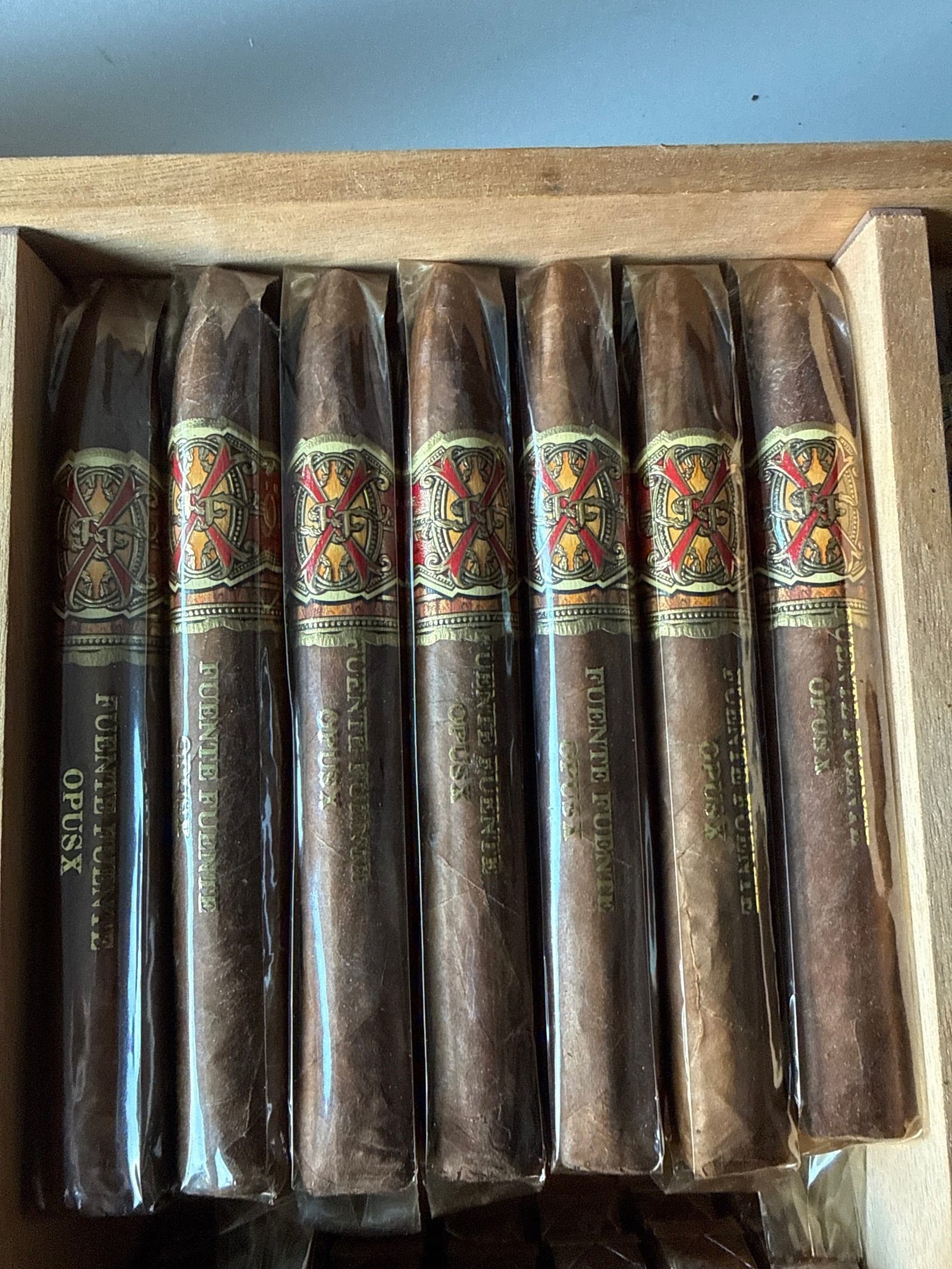
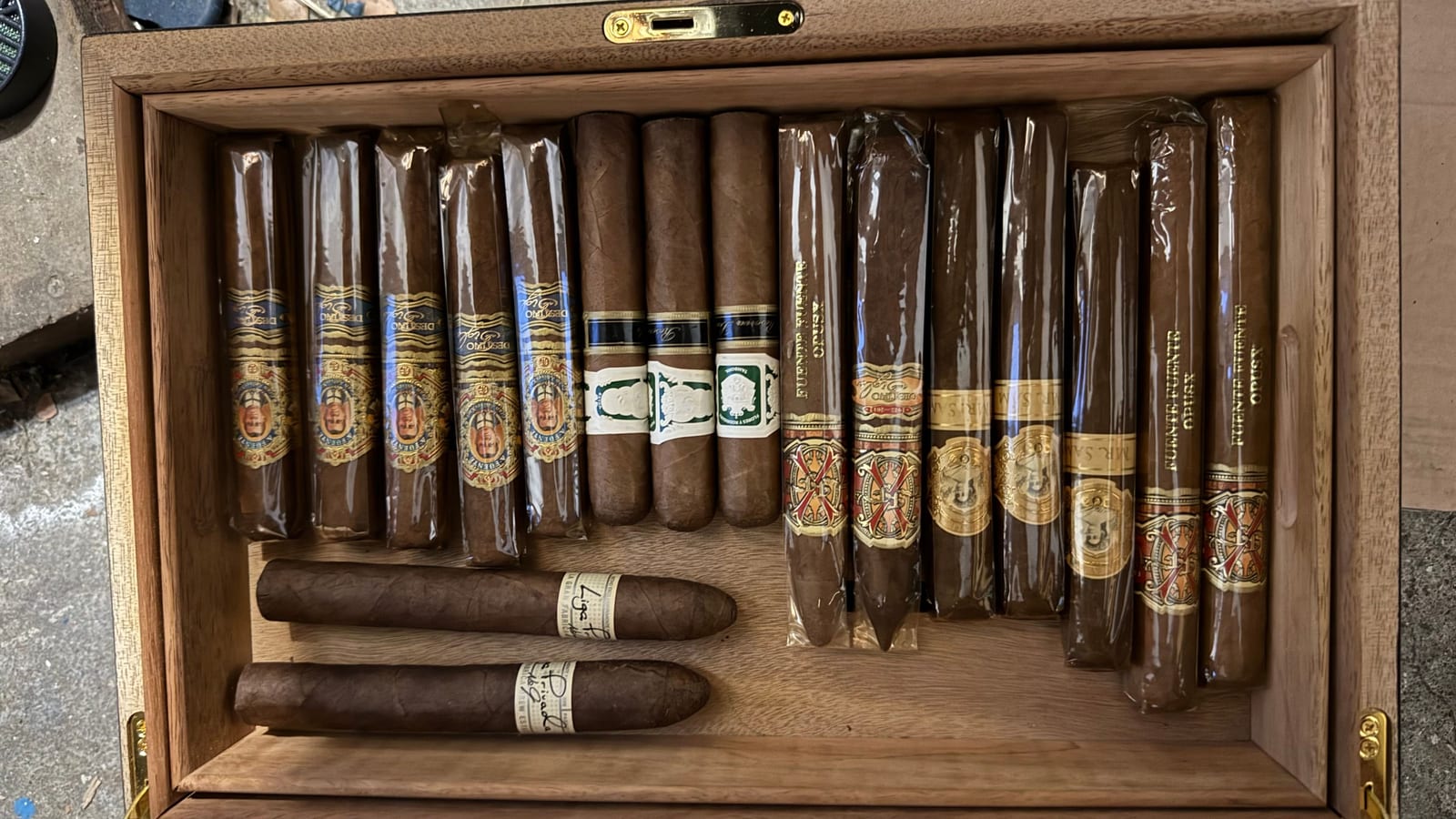
This is why a blend you love in one vitola can disappoint in another, and why dismissing a brand on a single size is a mistake. You have not tasted the blend, you have tasted one expression of it. The figured shapes, tapered at one or both ends, push this further still. A torpedo concentrates the draw into a narrow point and delivers a denser, more aromatic first third before the cigar opens to its full gauge, so the same blend arrives as two acts rather than one. A perfecto, closed at both ends, starts thin and hot, widens through the middle, and narrows again, giving you the lean reading and the full reading inside a single cigar. These shapes are harder to roll and easier to ruin, which is part of why a well made figured vitola tells you something about the house that made it.
How to taste a blend properly
If a blend interests you, smoke it in at least two sizes before you decide. Try a slim format to read the wrapper and the spice, and a thicker one to find the depth of the filler. The blend that seemed sharp may turn out to be elegant given more gauge, or a rounded cigar may gain focus in a slimmer shape. Smoke them close together, ideally the same evening, because your palate drifts from day to day and the comparison only holds when the conditions do. Keep the rest constant too: the same time after eating, the same drink or none, an unhurried pace with long gaps between draws. Puff too often and you overheat any cigar, which hands you the burn rather than the blend and tells you nothing about the size.
Reading a vitola before you buy
When a blend is new to you, the size printed on the box tells you what to expect before you light one. Run through these points in the humidor or the listing.
- Ring gauge below 42: wrapper character and spice dominate. If the wrapper is thin or a mild varietal, the cigar will taste lean. Good for reading clarity; unforgiving of a mediocre binder, which has nowhere to hide at this diameter.
- Ring gauge 50 to 54: the filler has room to contribute fully. Complexity and body are at their peak in this range for most modern blends, which is partly why the market has drifted towards it. Construction flaws also show more readily here, so it is the honest range in which to judge a maker.
- Ring gauge above 60: burn evenness is harder to maintain and the wrapper’s share of the smoke falls away. Inspect the foot for uniform packing before purchasing, and expect the first third to be slow and the wrapper to matter less than the marketing suggests.
- Length under 4 inches: minimal evolution. What you taste at the light is close to what you get throughout. Suitable for a reference smoke or a short window, not for a leisurely read of a new blend.
- Tapered head: draw resistance increases noticeably, and how you cut it changes the cigar. If you already find a blend tight, choose an open-capped format first, or cut a figured head generously rather than nipping the tip.
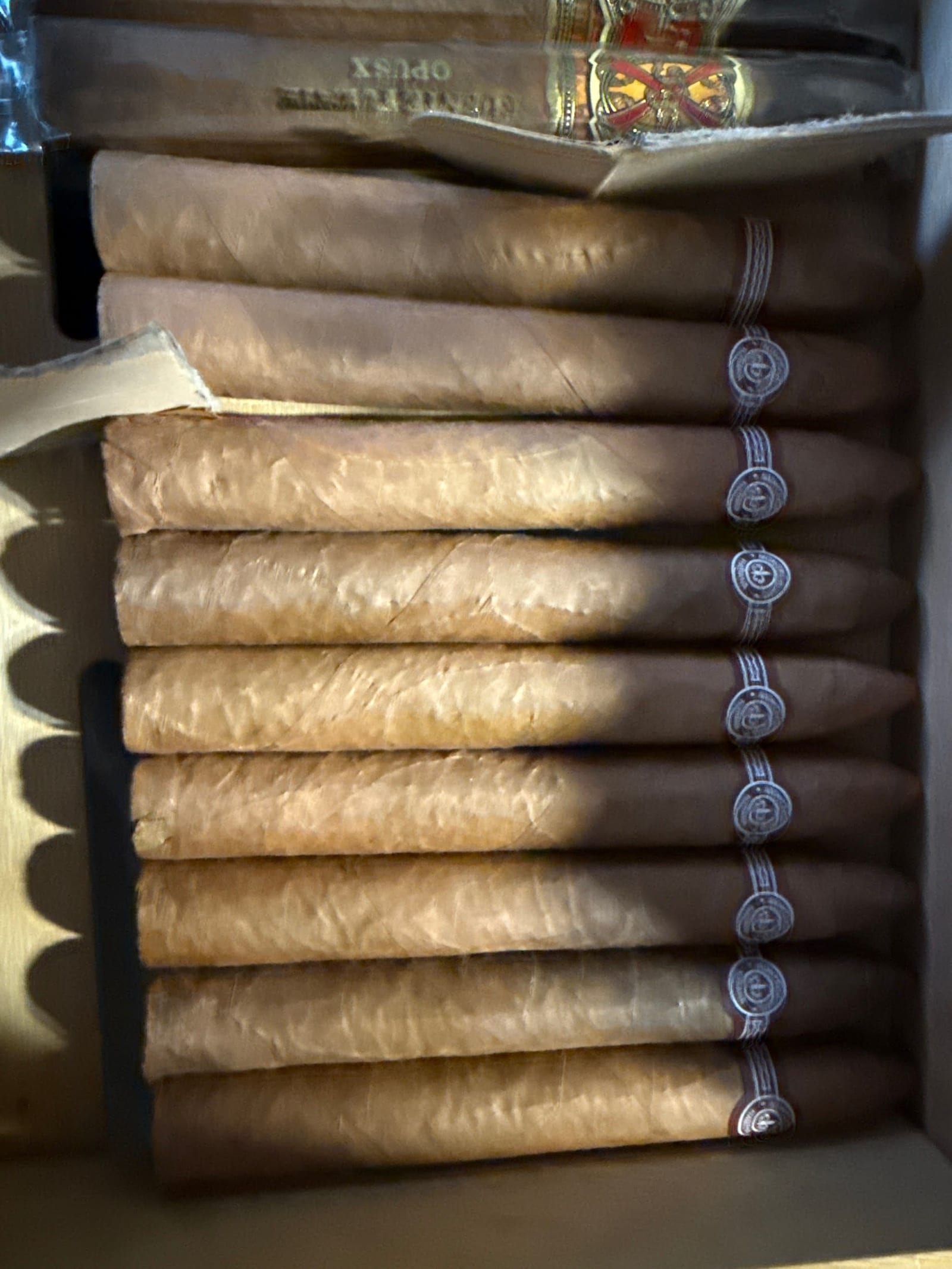
A second habit is worth keeping once the cigar is lit: watch how it ages in your own boxes. A given blend rarely settles across gauges at the same rate, and a thin cigar that reads sharp on release will often round out with a year of rest, while a thick one holds its shape for longer. The size governs the smoke on the night and the way the tobacco travels through time, so the vitola you cellar is a decision as much as the vitola you light.
Choose the shape on purpose
A cigar is not a fixed object with an interchangeable size. It is a blend that expresses itself differently depending on how it is rolled, and the roller’s choice of format is the last and most visible line of the recipe. Choose the vitola for what you want from the tobacco, not for the clock or the look, and you will smoke the same brands better, buy fewer cigars you regret, and stop blaming a blend for a fault that belonged to its shape. Shape is not a preference. It is part of the recipe, and the collector who reads it as such is simply tasting what the maker actually built.