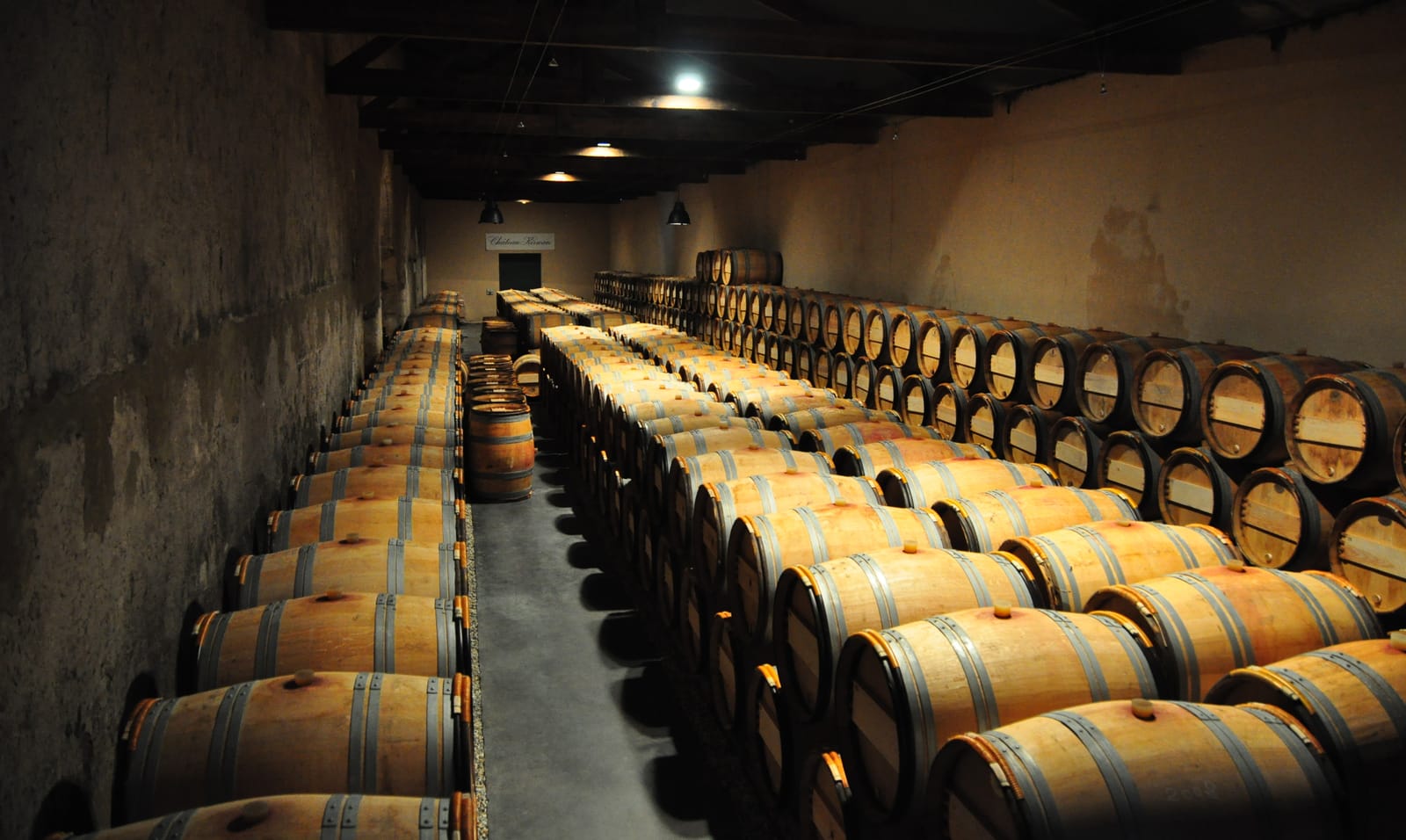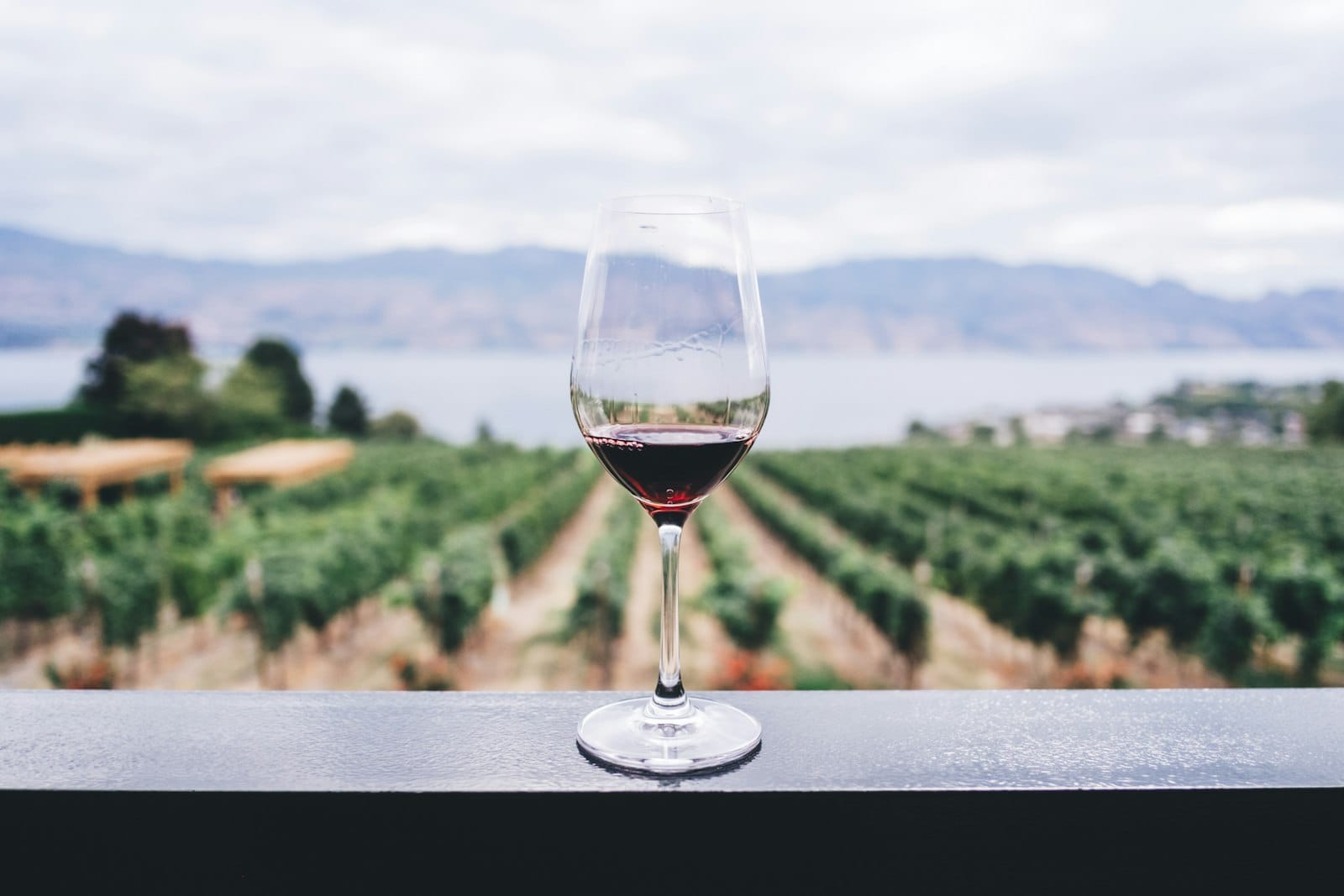
The most overpriced word in wine is “grand”. The most underpriced is “second”. A great house makes its name on a flagship that a small number of people will ever drink, and pays its bills, increasingly, on a second wine made from the same vineyards, the same hands, and the same intent, sold for a fraction of the figure the name commands. The second wine is where the knowledgeable drink. The first is where the photographs are taken.
This is not a trick or a downgrade. A second label is the fruit that did not make the final selection for the grand wine: younger vines, parcels that ripened a touch differently, lots the cellar master judged not quite right for the flagship that year. In a strong vintage, “not quite right” is a standard most of the world’s wine never reaches.
You are paying for selection, not quality
The gap in price between a first and second wine is mostly the cost of selection and scarcity, not a cliff in quality. The flagship is rarer because the house chose to make it rarer, declassifying everything that did not meet a self-imposed bar. You benefit from that bar twice: once in the discipline it imposes on the grand wine, and once in the quality it pushes down into the second.
In a soft vintage the logic can invert, because the house may declassify more aggressively and the second wine carries fruit that simply lacked concentration. The strategy, then, is not “always buy the second wine”. It is “buy the second wine of a serious house in a strong year”, which gives you the estate’s hand and the vintage’s generosity at a price set by a name you are politely declining to pay for.
When the second wine wins outright
There is a particular pleasure in the second wine that the flagship cannot offer: it is ready sooner. Grand wines are built to be waited on, sometimes for a decade or two, and a great many of them are opened years before they have anything to say. Second wines tend to be approachable earlier, which means you actually drink them at their best rather than out of impatience.
For a table, for a Tuesday, for the simple act of drinking well without ceremony, the second wine is often the right answer and almost always the sensible one. The flagship is an occasion. The second wine is a habit you can afford to keep.
Drink down, look up
The collector’s instinct is to reach for the top of the list. The drinker’s instinct, the better one, is to find the wine that gives the most pleasure per pound and buy it by the case. More often than the auction rooms would like you to believe, that wine wears the same crest as the flagship and sits one line below it on the label.
Buy the second wine of a house you trust, in a year it took seriously. You will drink most of what makes the great wine great, you will drink it sooner, and you will have kept the difference. That is not a compromise. That is the whole point.