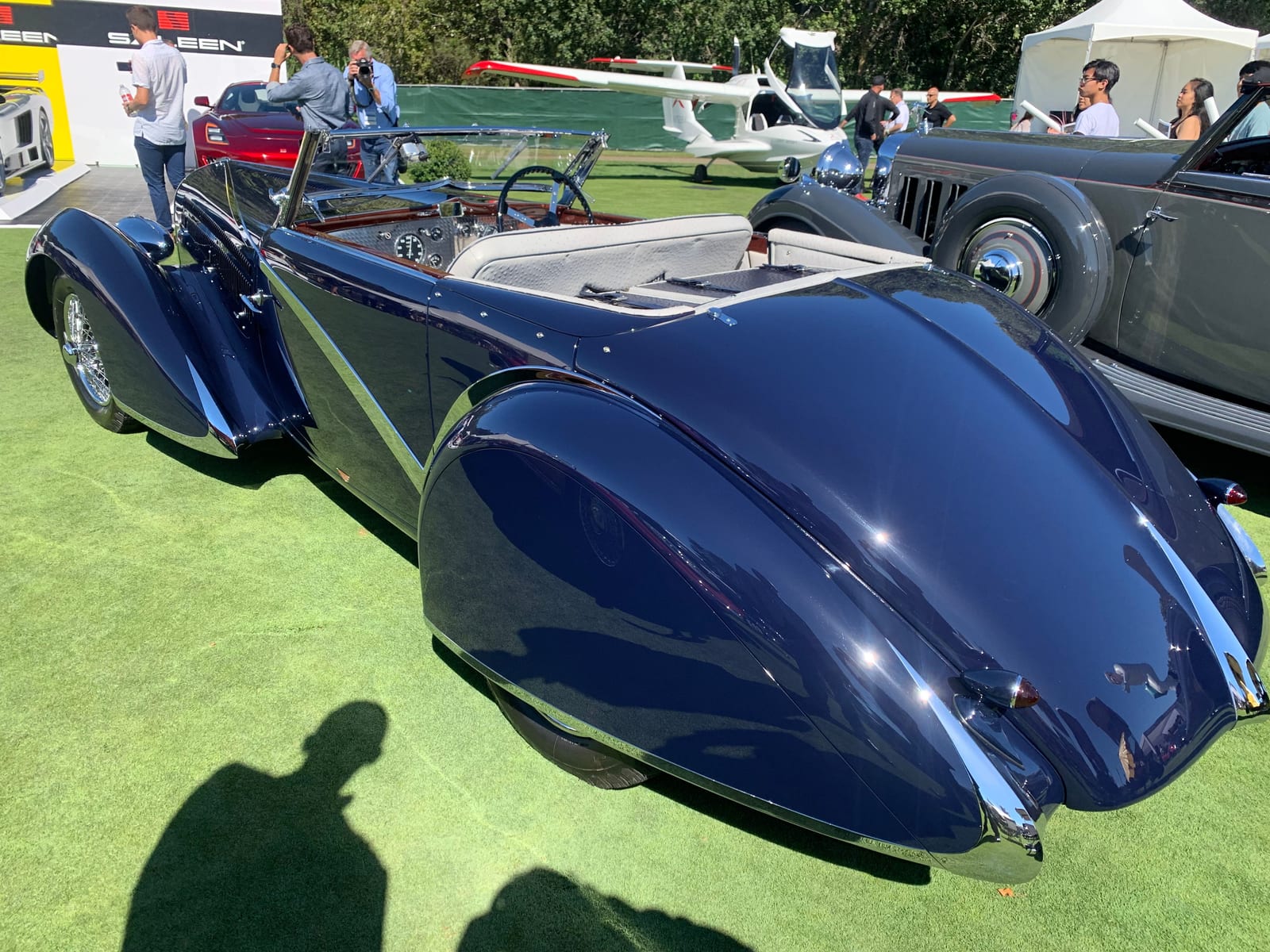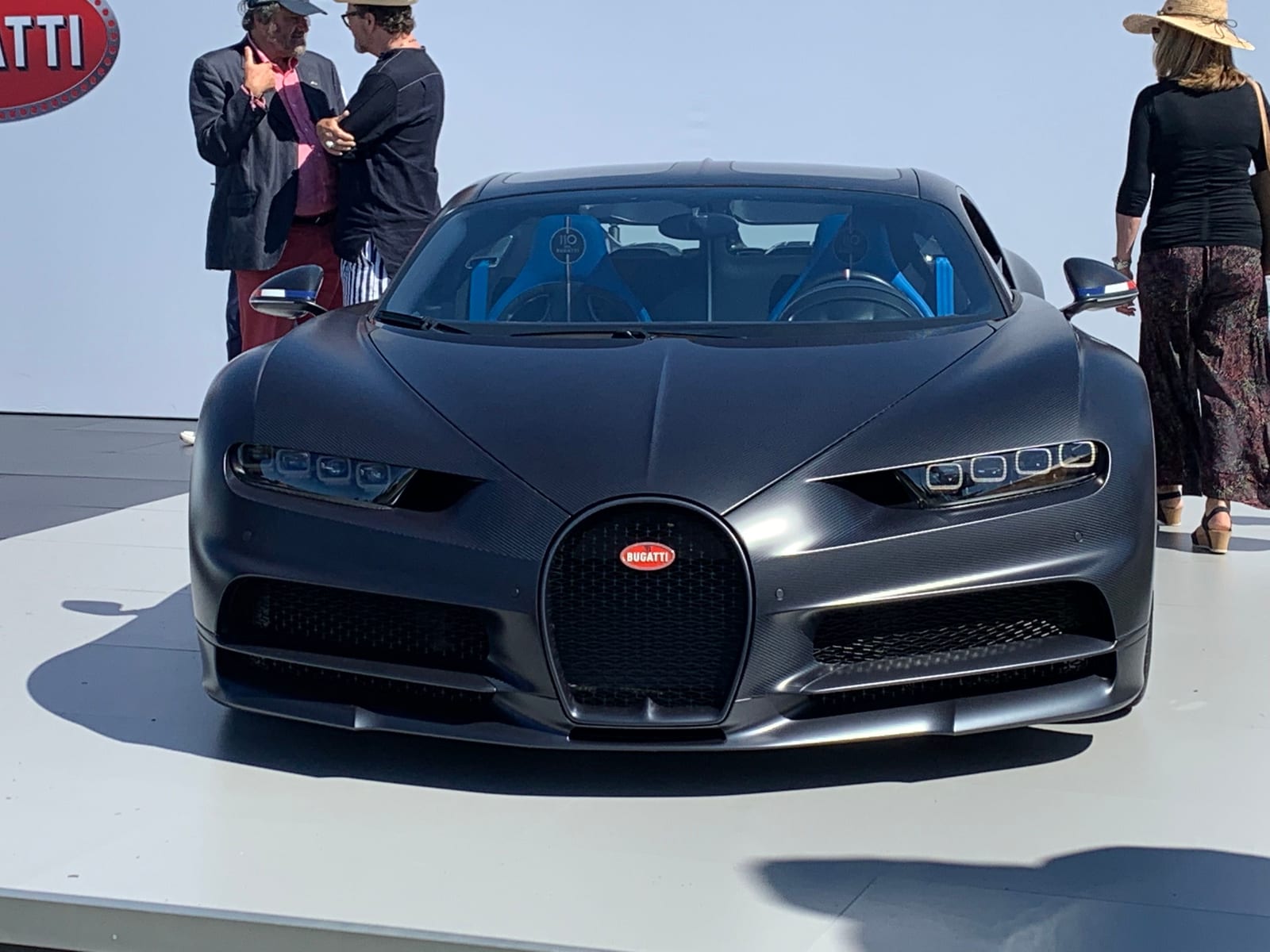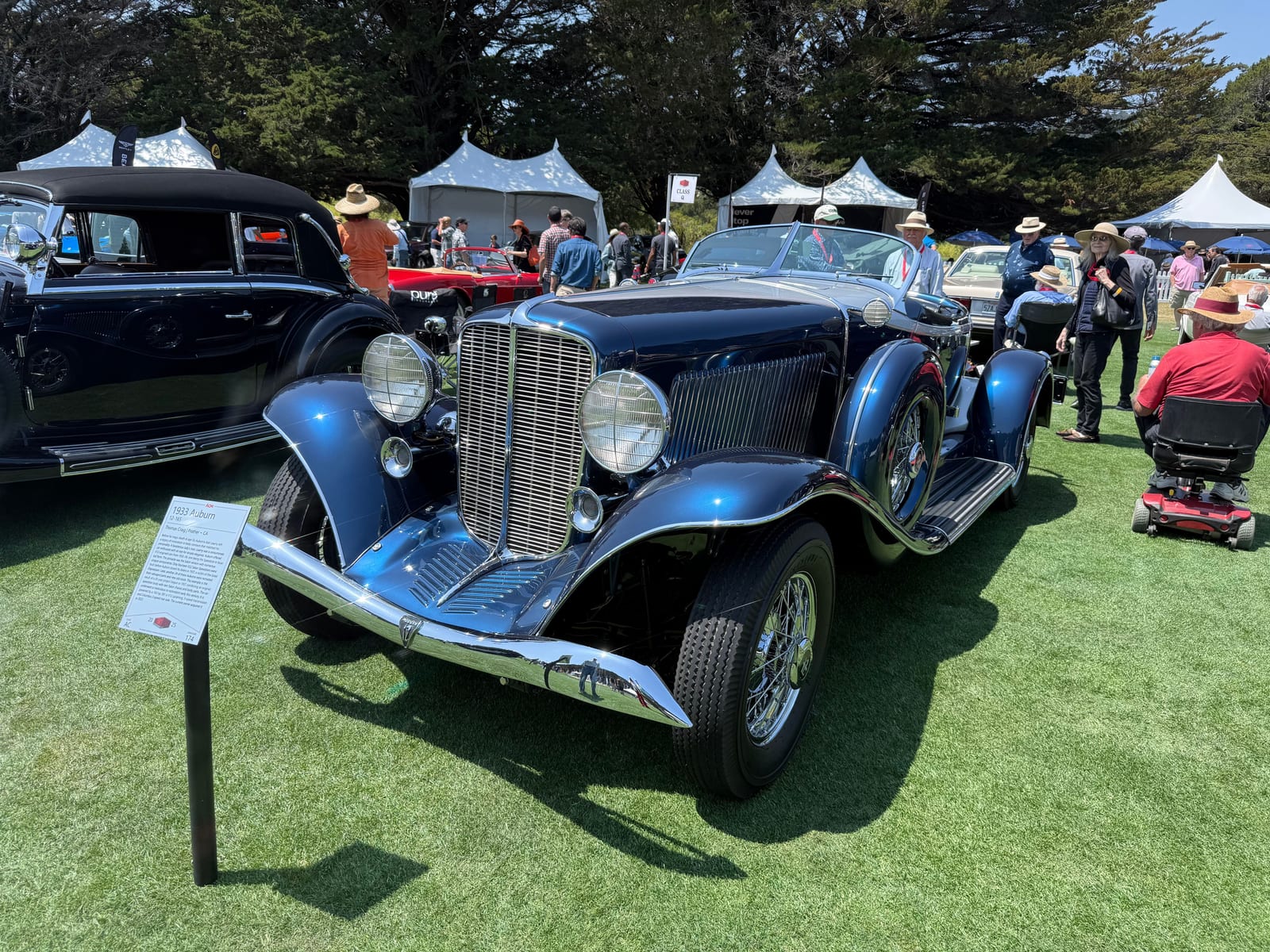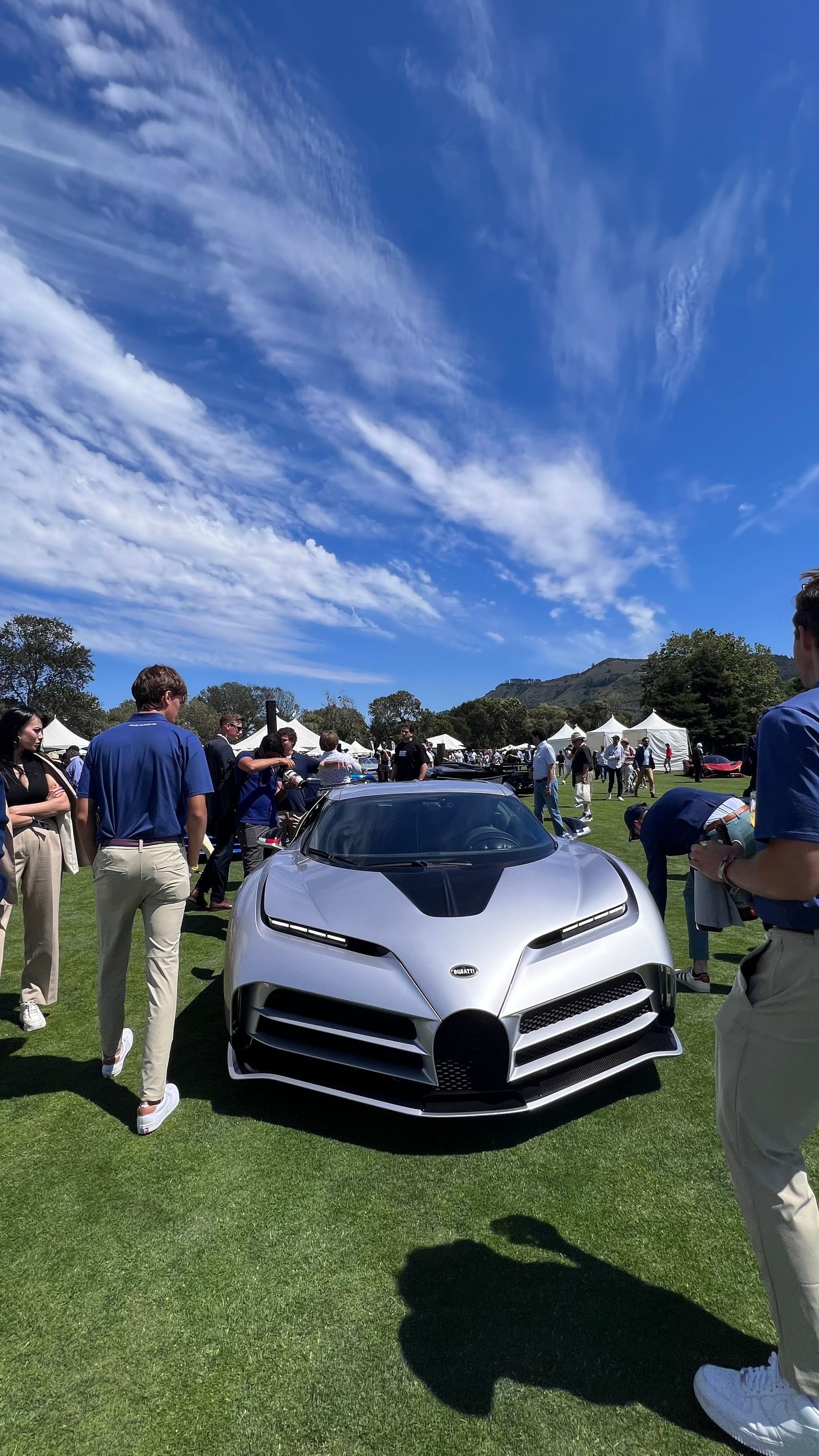
Arrive early, before the ropes are dressed and the announcer warms up, and a great concours offers something the auction tent never will: an afternoon to study the best surviving examples of an idea, side by side, with the people who own them standing right there. Most visitors treat it as a photo opportunity, and the photographs are lovely. They are also the least valuable thing on offer. The field is a free masterclass in worth, and worth is not the same as price. Learn to read the lawn and you will spend the rest of your collecting life seeing cars more clearly, and overpaying for fewer of them.
The discipline begins with a decision about where to point your attention. Everyone crowds the obvious silhouettes, the things that look expensive from forty feet. Walk past them, at first; they will still be there, and so will the crowd. The education is in the details that a camera flattens and an owner cannot help but reveal.
Read originality before you read beauty
Beauty is easy and largely settled; the proportions of a great prewar tourer or a sixties berlinetta have been admired for decades. Originality is the harder, more instructive read, and it is where money quietly lives. Crouch at the panel gaps. Look at the inside of a bonnet, the back of a seat, the underside of a sill where nobody bothered to disguise anything. You are learning to tell the difference between a car that has been preserved and a car that has been rebuilt to look as a fresh one once did.
Patina is the word amateurs use to forgive wear and connoisseurs use to mean honesty. A correctly aged car carries its history without apology: slightly slackened leather, a steering wheel worn where hands actually went, paint that has thinned in the places weather finds first. A flawless restoration is an achievement, and often the right answer, but it is a newer object than it pretends to be. The market increasingly pays for the original, unrepeatable thing, because you can commission a restoration and you cannot commission the past.
Then watch the judges. Not the scores, the body language. Note where an experienced eye lingers and where it moves on without interest. The judge who spends two minutes under a wheel arch is telling you, for free, which questions the serious buyer asks. Stand close enough to hear, and you receive a seminar nobody charged you for.
The owners tell you everything
The single best instrument on the field is conversation. Ask an owner what they changed and they will tell you, often with relief, what they had to fix. Ask what it is like to drive and you learn whether the car is used or merely owned. The honest answers come quickly; the rehearsed ones come with a brochure.
Sort the field by how each car arrived. The trailered cars are often immaculate and a little anxious about it, dressed for a single afternoon and trucked home before the dew settles. The driven cars carry road grime on the rockers, a few stone chips, and an owner who looks tired and pleased. Both have their place, but the distinction tells you what kind of object you are looking at: a thing to be lived with, or a thing to be guarded. Collectors who only own the second kind tend to enjoy the hobby less and lose more on the way out.
This is also where condition and character part company. Condition is what a points sheet measures and a restorer can deliver to order. Character is the accumulation of specific, true history: the right chassis, the documented hands it passed through, the small period correctness that no amount of money can manufacture after the fact. Condition fades the moment you drive the car. Character compounds.
What the eye should study
Come away from a great concours with fewer photographs and more questions. The amateur leaves with a phone full of three-quarter views and a vague sense that everything was wonderful. The collector leaves having learned which marque restores honestly, which owners are worth knowing, and what a truly original example looks like, so that the next time one surfaces, quietly, away from any lawn, the recognition is instant.
The lesson is not which car to want. It is how to tell, in person and at speed, the difference between something expensive and something worth keeping. The lawn teaches it once a year, for the price of admission and the patience to look properly. Take the lesson home. Leave the photographs to everyone else.