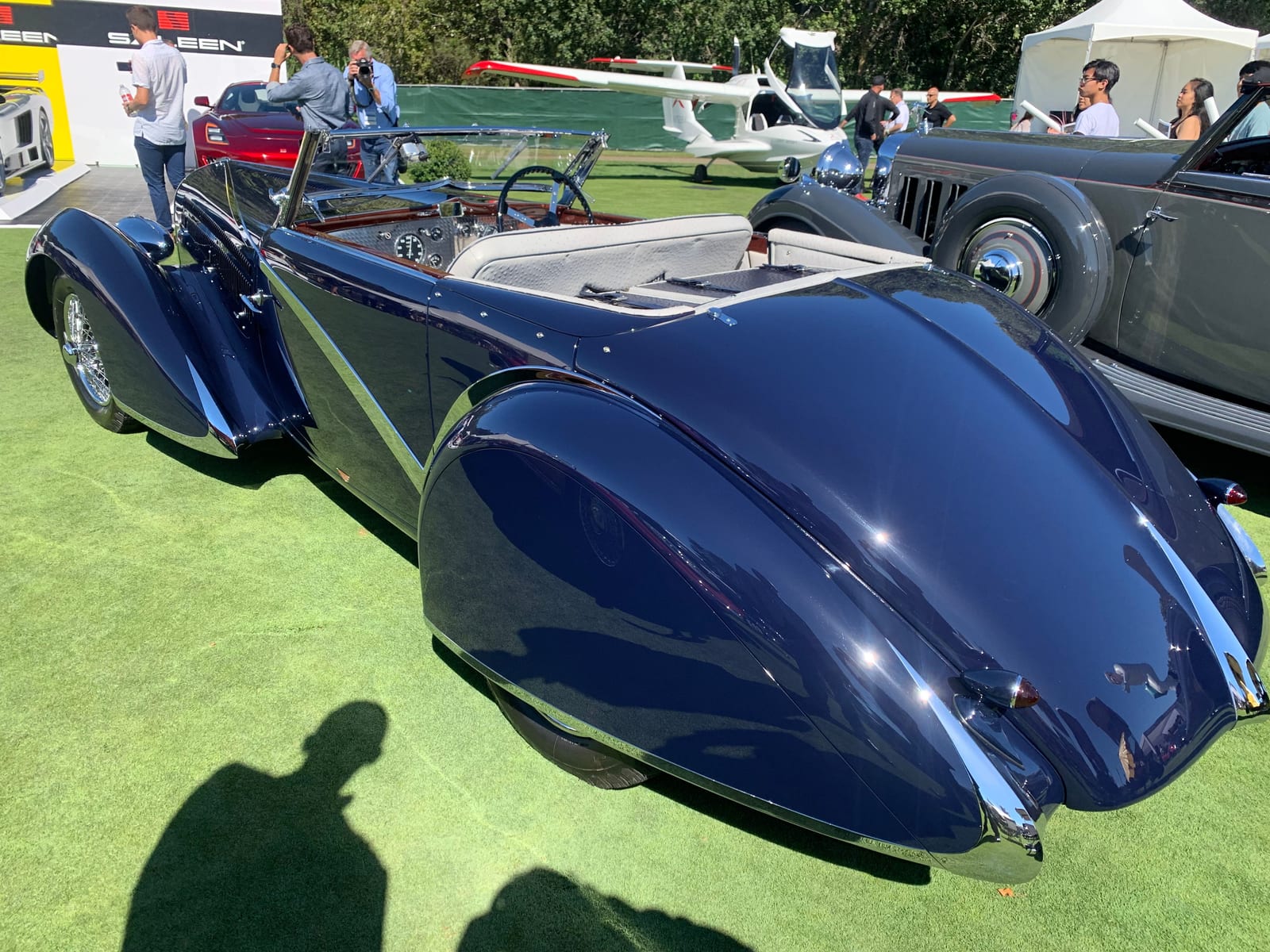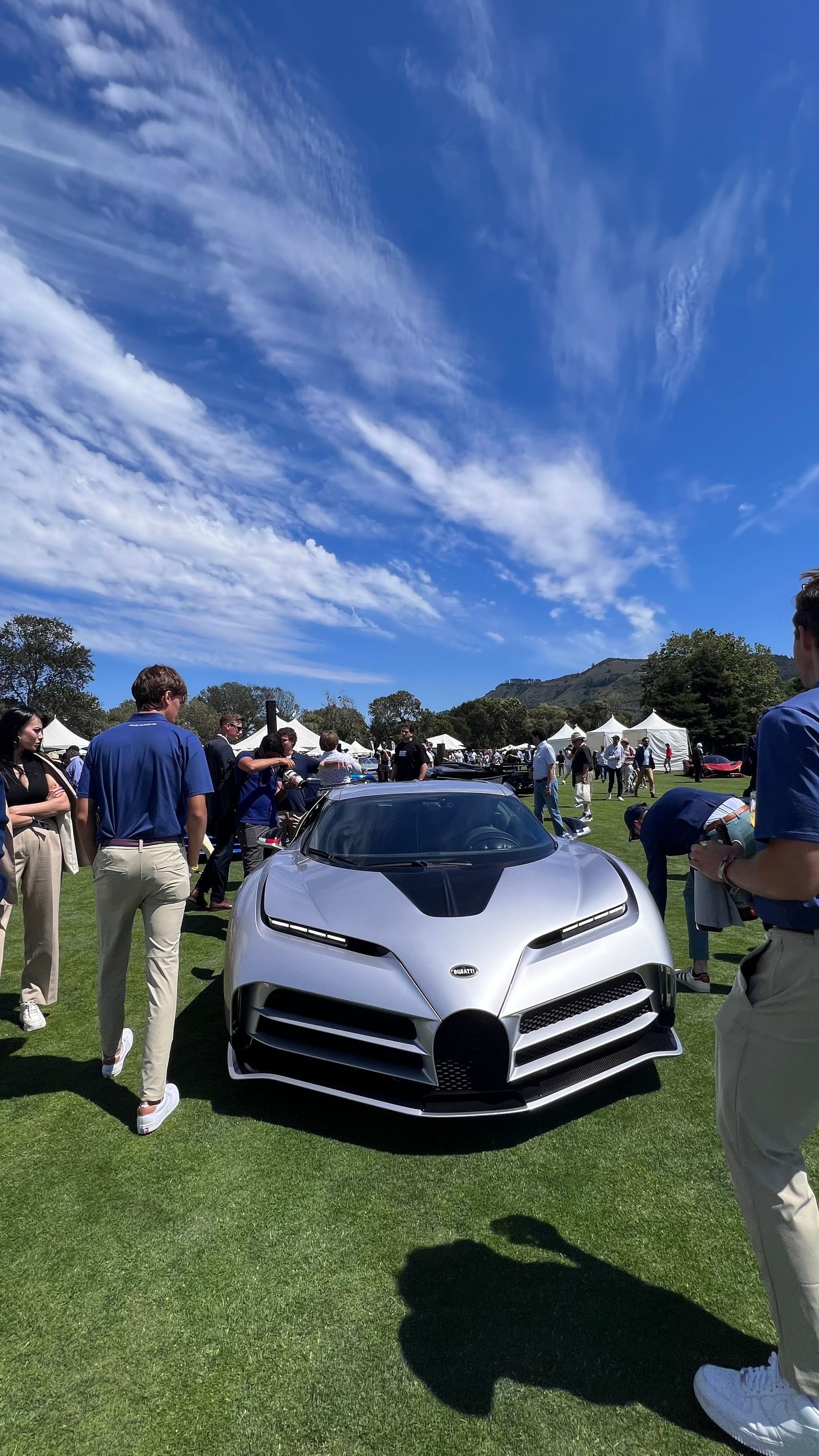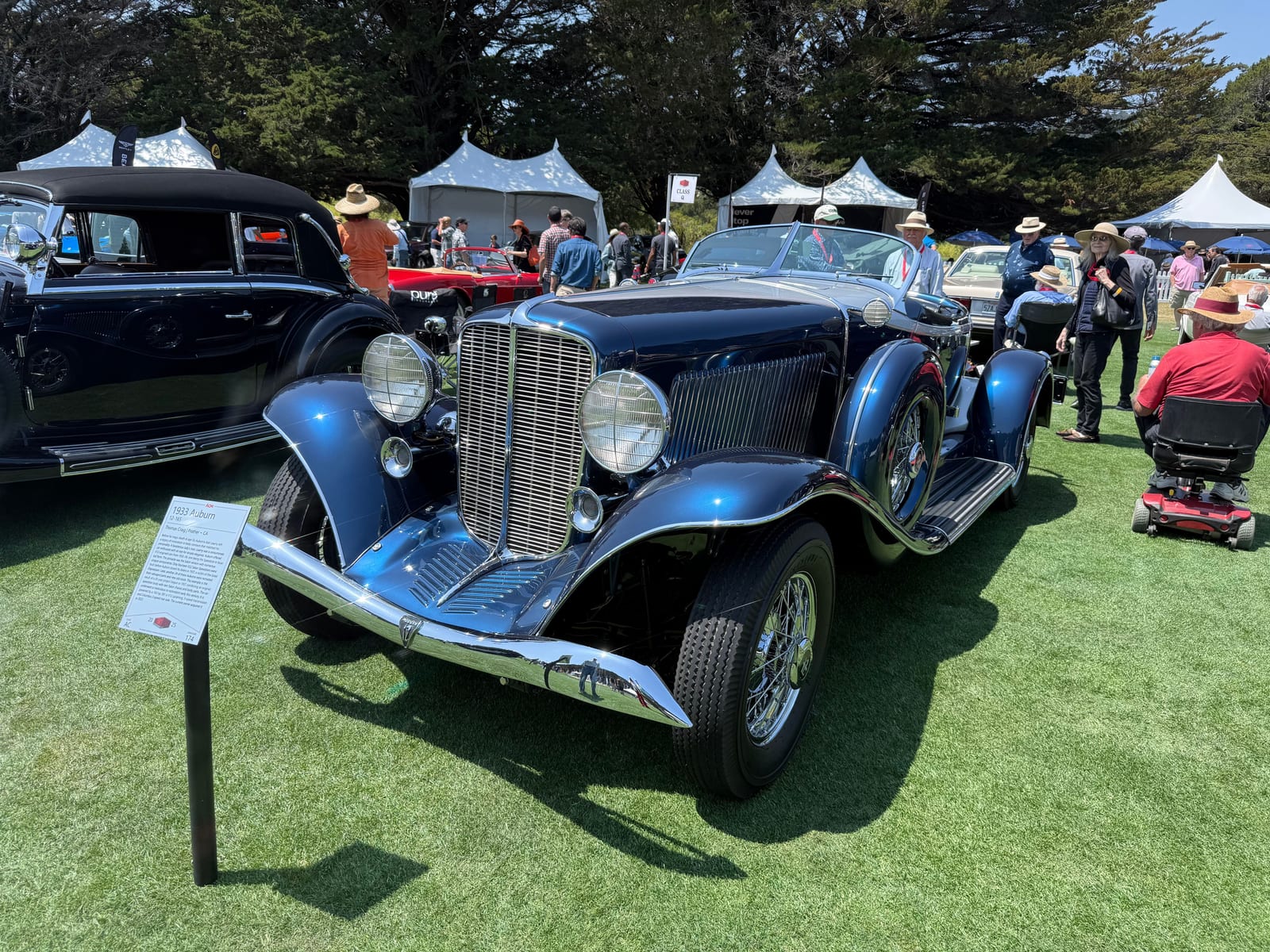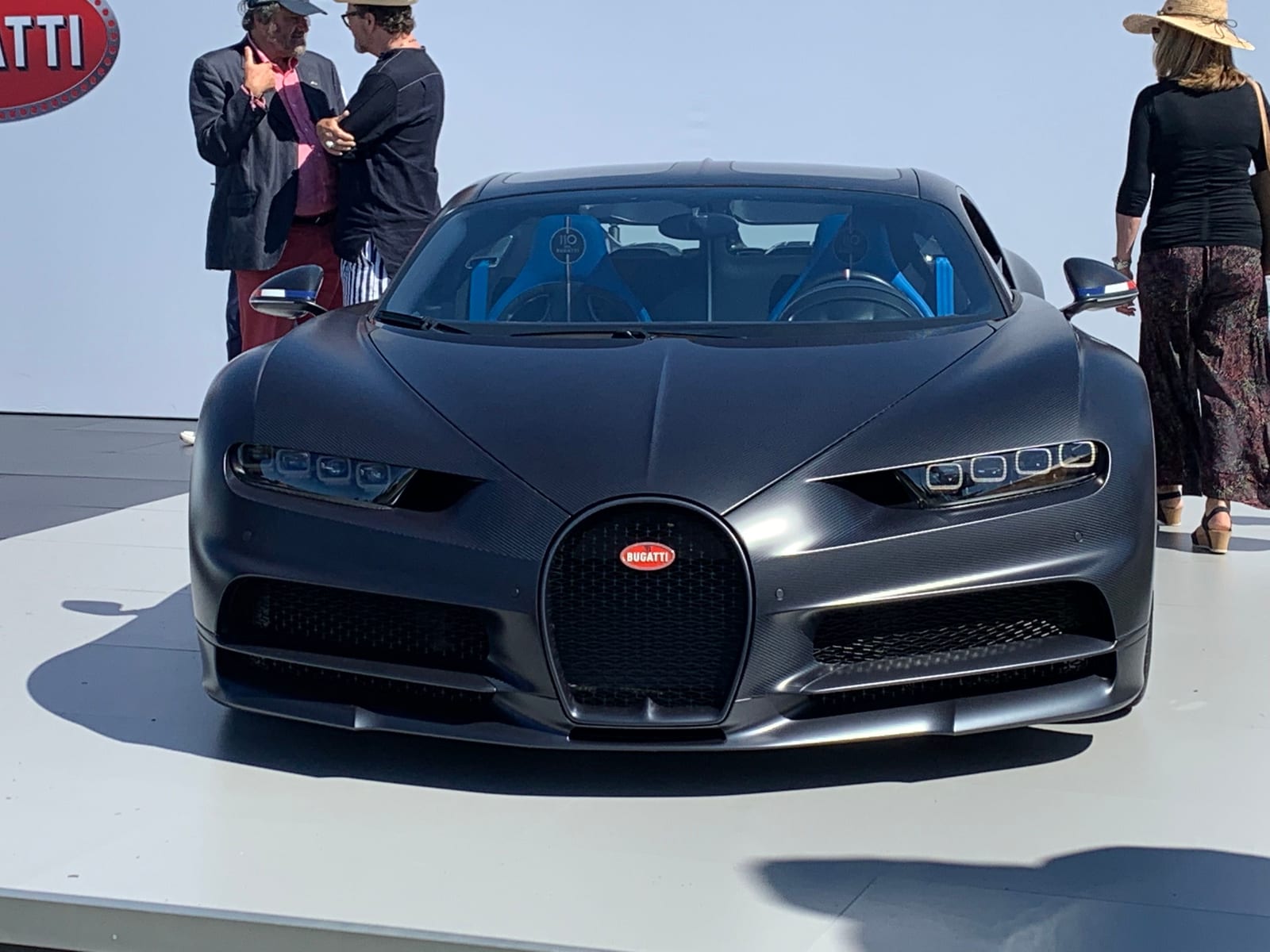
The delivery-mileage car is the comfort blanket of the nervous collector. A few hundred miles on the clock, every protective film still on, the seats unsat in. It photographs like a promise and sells like a certainty. And for a great many cars built to be driven, it is quietly the worst version you can own.
A car is a machine of seals, fluids, and rubber, all of which prefer use to storage. Stand a performance car still for years and the things that fail are not the things that wear, they are the things that dry: perished hoses, flat-spotted tyres, a clutch that has bonded to a flywheel it never learned to part from. Mileage is not the enemy. Neglect dressed as preservation is.
Sympathetic miles tell the truth
There is a category between delivery-mileage and worn-out that the market underprices: the sympathetically used car. Regular miles, fastidious service, the right tyres replaced on time, a history that shows someone drove it properly and cared for it afterwards. That car has been tested by use. Its faults have surfaced and been fixed. You are buying a known quantity, not a sealed box.
The delivery-mileage car, by contrast, is an unknown wearing a flattering number. Nobody has found out what is wrong with it, because nobody has used it enough to ask. The first owner to drive it in earnest becomes the test pilot, and test pilots pay for the discoveries.
What the number hides
A low odometer reading answers one question and conceals several. How was it stored, and at what temperature. Were the fluids changed on time or on mileage, and a car doing no miles still needs the calendar serviced. Was it started and warmed properly, or run for a minute now and then, which is worse than not starting it at all. The number on the dash says nothing about any of this, and the seller is rarely volunteering it.
Read the service history before the odometer. A thin file behind a low number is a warning, not a bargain. A thick file behind honest miles is the thing you actually want.
Buy the car that has been driven
None of this is an argument for a tired car. It is an argument against confusing stillness with quality. The cars that hold up, mechanically and in the eyes of the next careful buyer, are the ones that were used and maintained, not the ones wrapped and parked as an investment thesis.
So when two cars sit side by side, one with delivery miles and a thin story, the other with honest miles and a diary of care, the brave buy is the obvious one. Drive the car that has already proven it can be driven. The number will climb, gently, and the car will be better for it, which is more than the sealed box can promise.