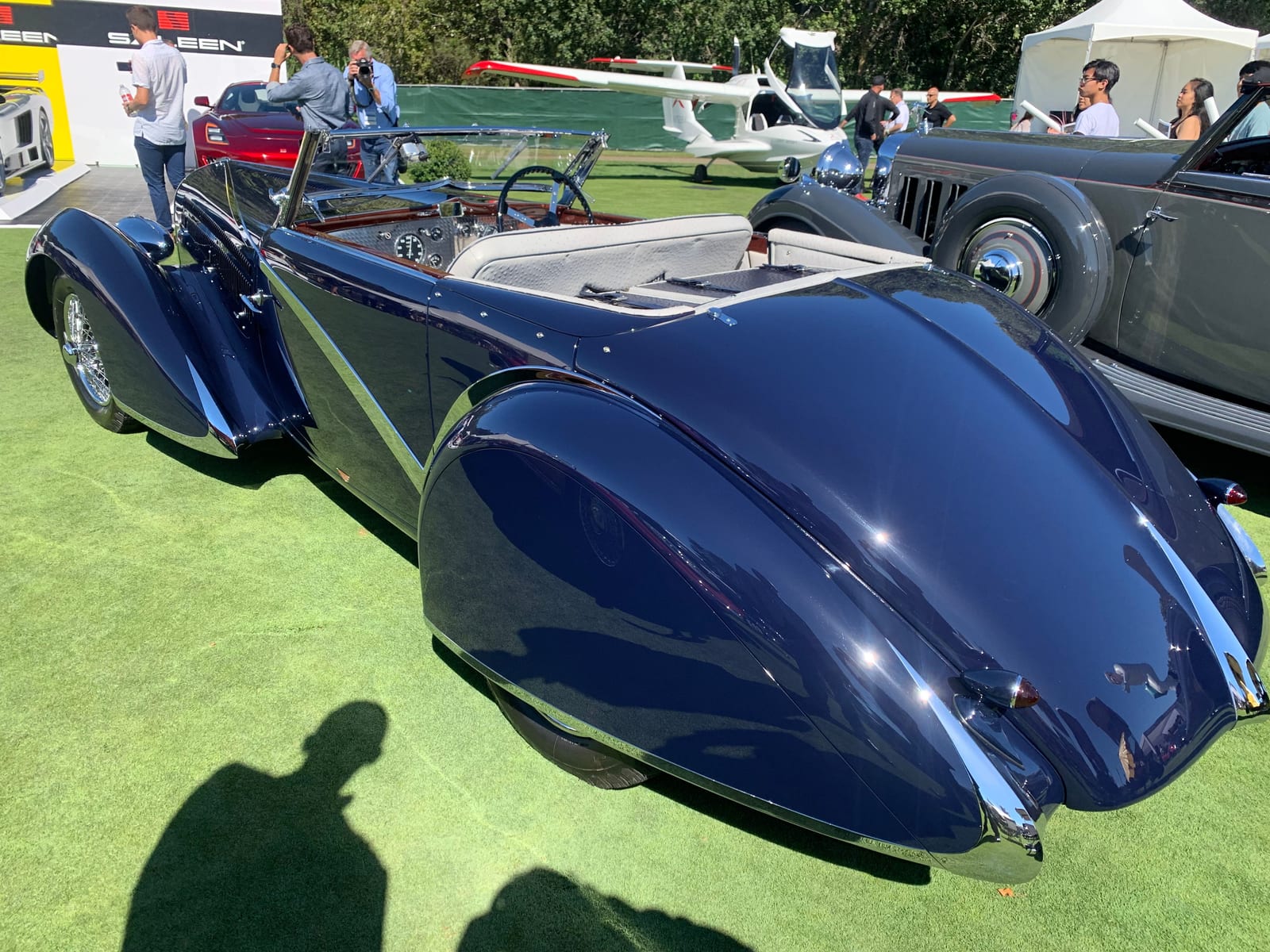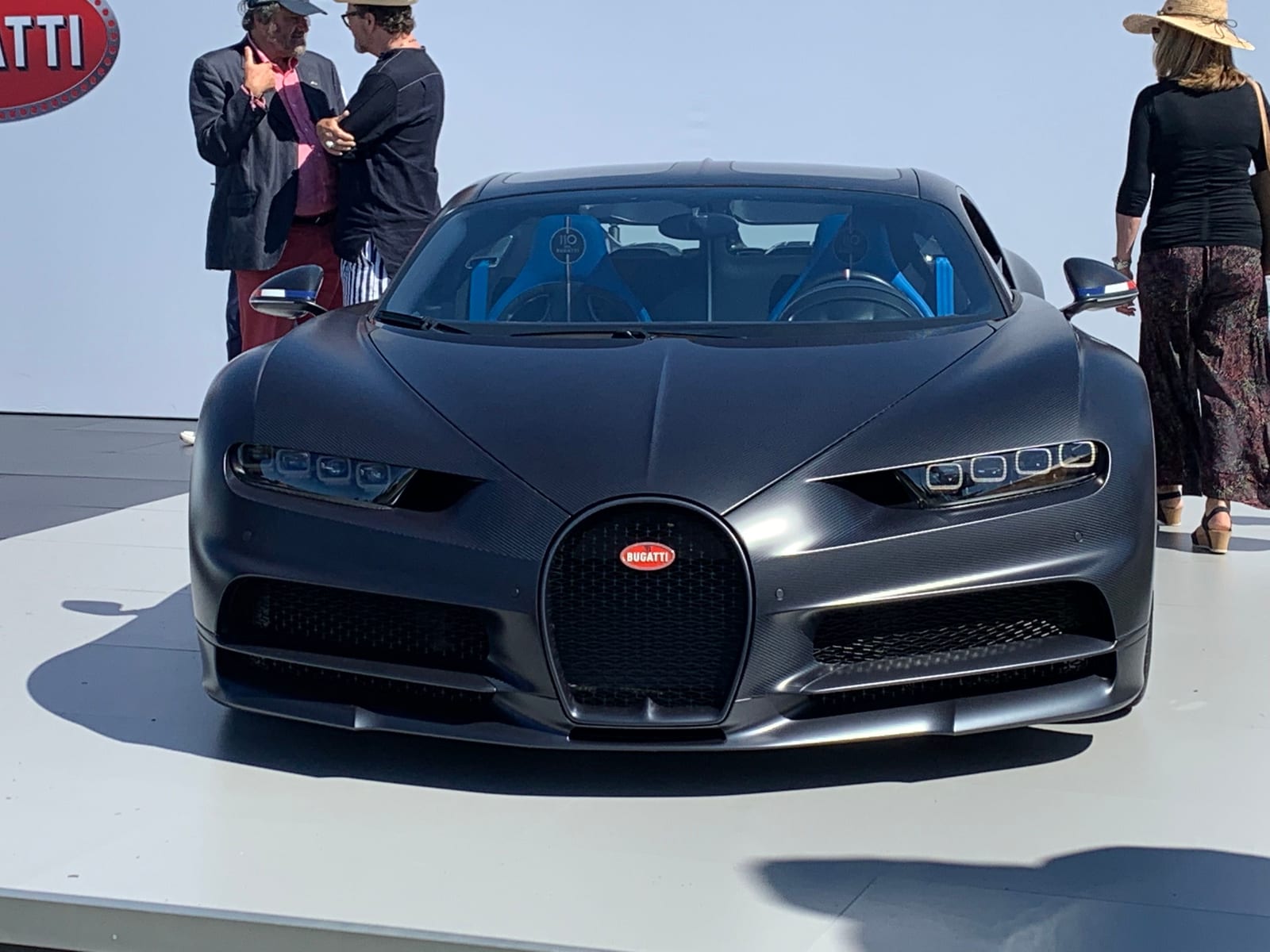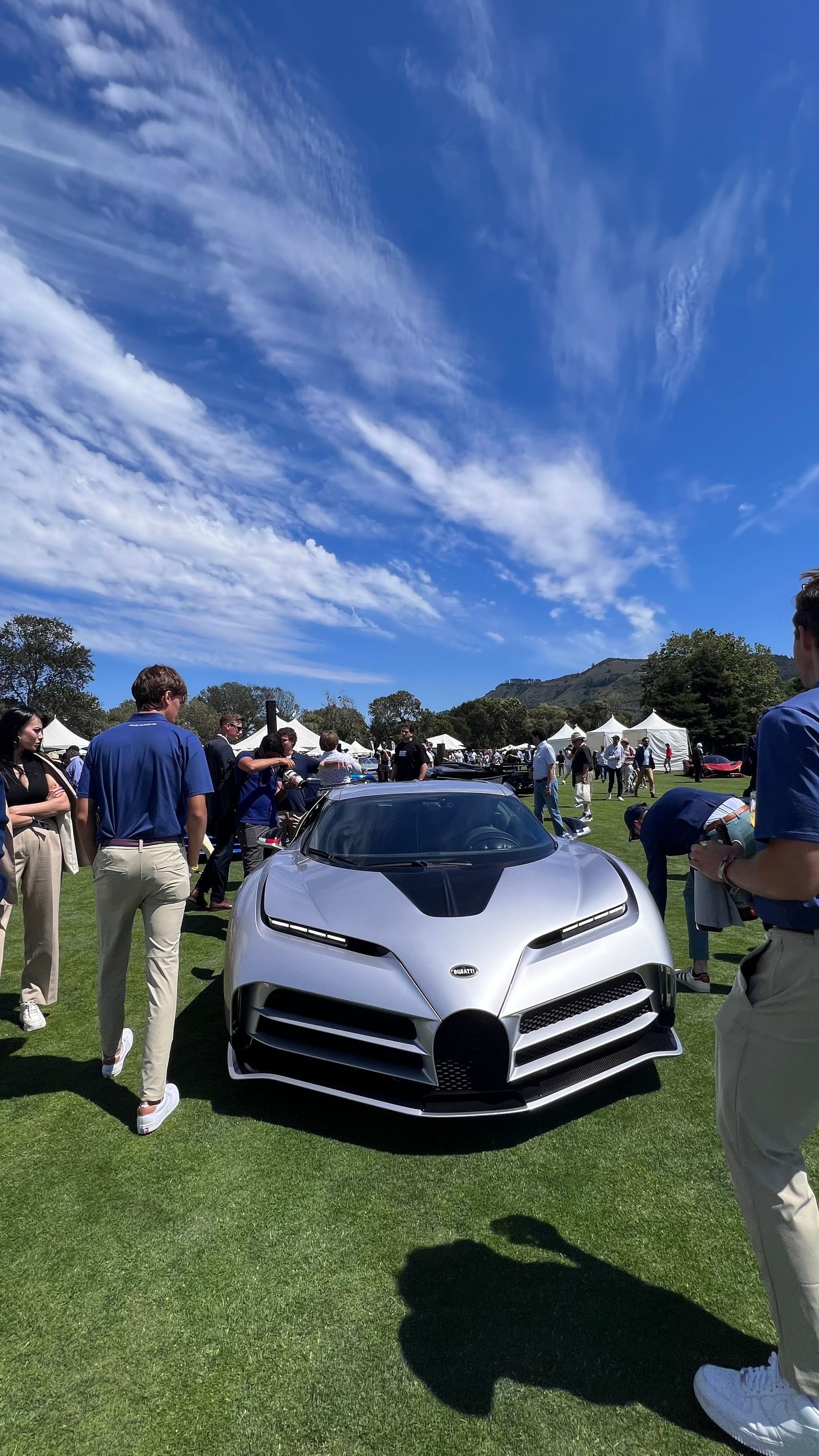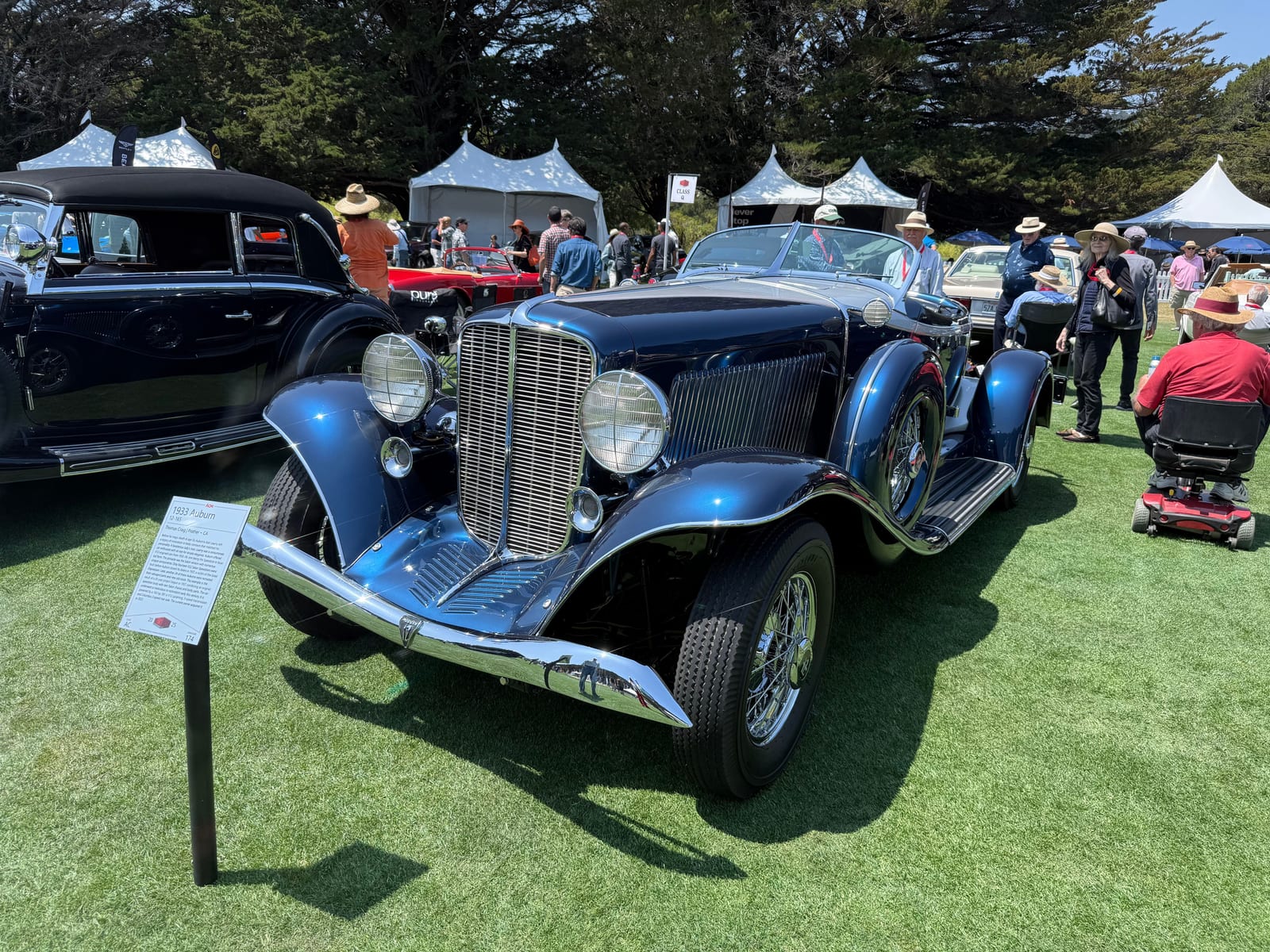
A perfect restoration is a confession. It tells you that whatever was there before was not good enough to keep, and that someone decided the cure was to remove it. Sometimes that decision is right. More often it is the expensive reflex of an owner who mistook condition for character, and sanded away the one thing that could not be put back.
Patina is the record of survival. It is the faint orange-peel in original paint, the honest fade where sun fell for forty years, the wear on a sill exactly where a hand reached in. None of it can be faked convincingly, and all of it can be destroyed in a weekend. That asymmetry is the whole argument. You can always restore later. You can never un-restore.
Originality is a one-way door
The market has finally caught up with what fastidious owners knew all along: a car that has never been apart is rarer than a car that has been made to look new. Concours judging now rewards preservation classes precisely because they cannot be bought with a chequebook and six months. You either have the original car or you do not.
This is not an argument for neglect. A preserved car still needs mechanical honesty, brakes that work and fluids that are fresh. It is an argument against cosmetic panic, the urge to respray a sound original car because a single stone chip offends you. The chip is part of the evidence. The respray is the end of it.
How to read a panel
Stand at the corner of the car and look down the length of the bodywork with a low light behind you. Original paint moves with the metal and shows its age evenly. Fresh paint over filler reveals itself in ripples and in edges that are a fraction too soft. Open the doors and look at the shut lines from inside, where restorers rarely bother to match the finish. Run a magnet, gently, along the lower panels. Where it stops gripping, someone has been at work with something that is not steel.
Then read the fasteners. Original screws wear in a particular way and sit in paint that has aged around them. Bright new heads in old paint are a sentence with a word missing. None of this requires a specialist’s eye, only the patience to look before you admire.
The quiet premium
There is a financial case here too, but it is the lesser one. Preserved cars have outrun restored examples in most categories that matter, because the supply of genuinely original cars only ever shrinks. Every respray removes one from the pool. Scarcity does the rest.
The better case is the one you feel rather than count. A restored car is someone else’s idea of how the thing should look. A preserved car is how it actually lived. One is a reproduction in three dimensions. The other is the original document, slightly foxed at the edges, worth more for the foxing. Buy the document. Leave the sandpaper in the drawer.