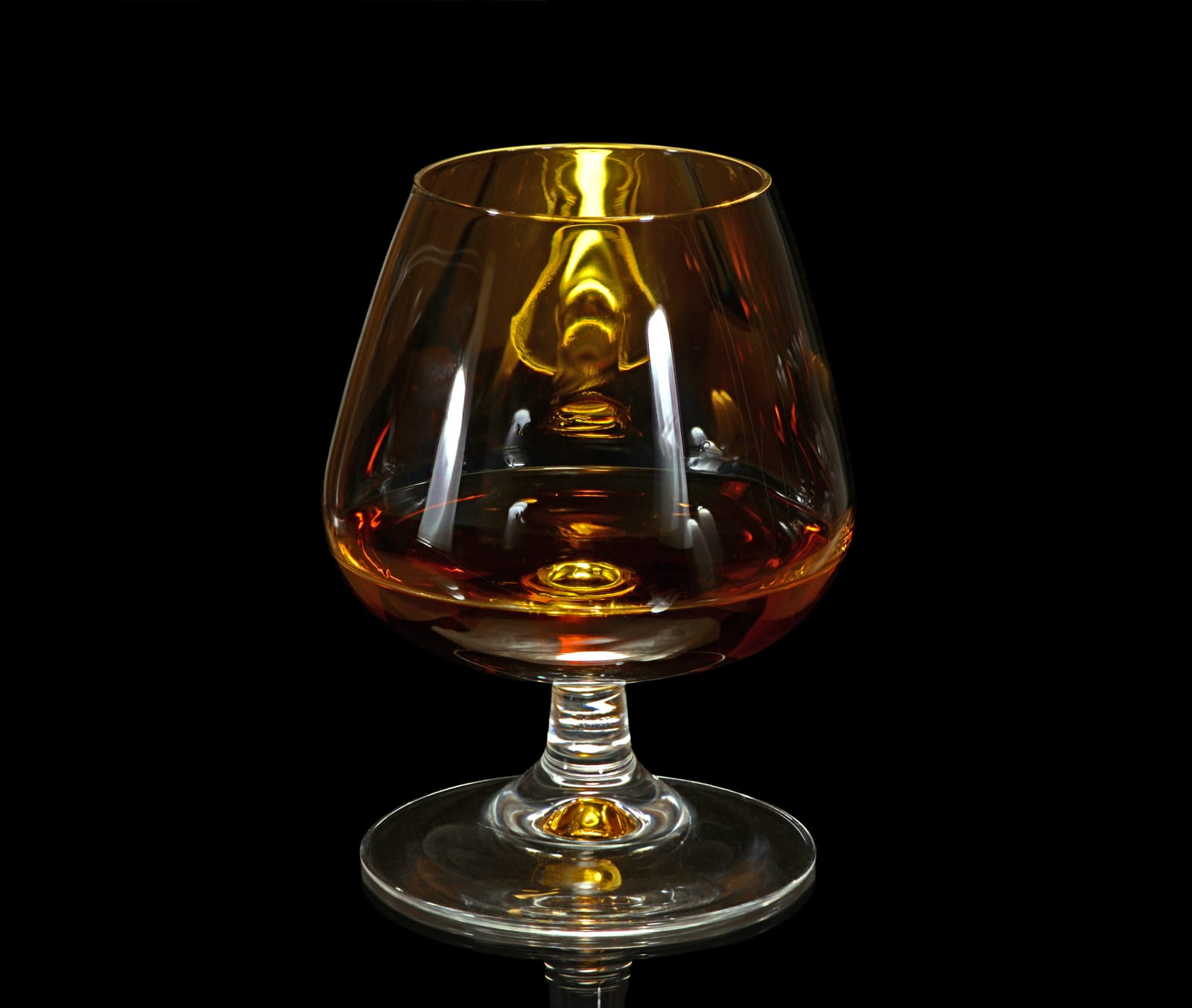
Cask strength sounds like a dare. High proof, no compromise, a drink for people with something to prove. The reputation does it a disservice. Cask strength is simply the spirit as it left the barrel, before anyone reduced it with water to a round number, and that makes it the most honest version of itself you can buy. What you do with it afterwards is your business, and that is the point.
A standard bottling is diluted at the distillery to a fixed strength, usually for consistency and tax efficiency as much as for taste. The decision is made for you, in a boardroom, to a target. Consider what the target actually serves: a blend struck to hit the same profile bottle after bottle, year after year, so that the label promises no surprises. That is a virtue in a house style and a loss in a single cask, where the surprise is the whole reason you are buying it. Cask strength hands the decision back. You get the spirit undiminished and you reduce it, drop by drop, to the strength that suits the bottle, the night, and your own palate.
There is a second reason distilleries reduce, rarely stated. Most whisky leaves the cask somewhere in the high forties to the low sixties by volume, and bringing it down to forty or forty-three stretches the same liquid across more bottles. That is sound commerce and the compromise you are asked to accept as finished. Cask strength refuses the stretch.
Water is a tool, not a confession
There is a stubborn idea that adding water to whisky is a weakness. It is the opposite: a technique. A few drops open a spirit up, releasing aromas that the alcohol was holding shut, and the right amount is different for every cask and every taster. High ethanol is volatile and slightly numbing; it carries some aromatics to the nose and masks others, and it dulls the tongue’s ability to read sweetness and texture. Adding water lowers that veil. The physical change is real: dilution shifts which compounds sit at the surface of the liquid and evaporate into the glass, so the same pour can move from closed and spirity to open and fragrant within a few drops. Buy at cask strength and you can find that point yourself, glass by glass, instead of accepting a distiller’s average struck for a million bottles.
This is why people who taste for a living reach for cask strength so often. It is not bravado. It is control. The full-strength spirit is the raw material, and dilution is the last step of the recipe, performed at the table rather than the bottling hall. Work in the right direction. Water added cannot be taken out, so move down in small steps and stop the moment the spirit is talking; a pipette or the tip of a teaspoon is more use here than a free pour. The instinct to be generous with the jug is the one to resist.
You are also buying more spirit
There is a plain economic point hiding here. A cask-strength bottle contains more actual spirit than a reduced one of the same volume, because less of it is water. Reduce it yourself and a single bottle yields more drinking than its diluted neighbour. The arithmetic is not trivial: a bottle at cask strength can hold half again as much spirit as one reduced to the legal floor, so before you have judged a drop of it on taste you are holding materially more of the thing you came for. The higher shelf price is, in part, simply more whisky.
That surplus matters twice over for anyone buying to keep. A high-strength bottle is more forgiving in storage, since a stronger spirit is slower to suffer from the small losses and oxidation that afflict an opened bottle over years, and it gives a later owner the same latitude you had. When the time comes to open it, the collector inherits the full decision rather than a distiller’s guess made decades earlier.
The caveat is honesty about your own palate. High strength can flatten a tasting if you push through too many pours, and the answer is the jug of water beside the glass, used without embarrassment. Palate fatigue is real and it arrives faster at proof; the third strong pour tells you less than the first, and a plateau of numbness is not the spirit’s fault. Taste it neat first to know the raw character, then bring it down to find where it sings, and give a serious bottle the patience of more than one sitting.
The label is not the whole story
Strength on its own tells you little without the words around it. A high number can mean a young spirit still carrying the heat of the still, or an old one that has held its proof against decades of evaporation, and those are opposite propositions at similar figures. Read strength alongside age, cask and provenance, never in isolation. “Cask strength” is also not a protected term everywhere; some houses vat several barrels and bottle the batch at its natural combined proof, which is legitimate but different from a single named cask. The phrase “barrel proof” is used the same loose way. Know which claim the bottle is actually making before the number does your thinking for you.
What to check before you buy
Not all cask-strength releases are equal, and a few points of due diligence separate a considered purchase from an expensive impulse.
- Confirm it is single-cask or at least non-chill-filtered. Vatted cask-strength releases exist and are not dishonest, but a single cask is a more specific, traceable thing. Chill filtration strips some of the oils that carry texture and cloud, and a spirit bottled without it keeps more of what the cask gave. Know which you are buying.
- Note the cask type. First-fill oak delivers different character to a third-fill or a wine-cask finish. The same distillery and the same strength can taste quite different depending on what the wood previously held. A first-fill ex-sherry butt pushes colour and dried fruit hard; a tired refill lets the distillate speak for itself. Neither is better in the abstract, but they are not interchangeable, and the price should reflect which you are getting.
- Check the bottling date against the vintage. Age and strength together tell you about evaporation and concentration. A high-strength older whisky has lost less to the angels; a low-strength young one may have been watered more than the label implies. The gap between the two dates is where the cask did its work, and a long gap at high proof usually signals a barrel that was giving something worth waiting for.
- Ask what lot size means for resale. A release of under two hundred bottles from a named cask is meaningfully rarer than a blended-cask run of several thousand. Scarcity supports a secondary price only when the release is documented, so keep the outturn figure, the cask number and any distillery paperwork with the bottle.
Buy it full, finish it your way
The reduced bottle is someone else’s compromise sold as a finished article. Cask strength is the unfinished article, which is to say the honest one, with the last decision left to you. That is why the serious drinker and the serious collector want the same thing here, though for different reasons: one wants the range of a single bottle across many evenings, the other wants an asset that has not been quietly diminished before it changed hands. Buy it full, keep water within reach, and find the strength the spirit wants on the night. It will rarely be the round number on a standard label, and that is exactly the freedom you paid for.