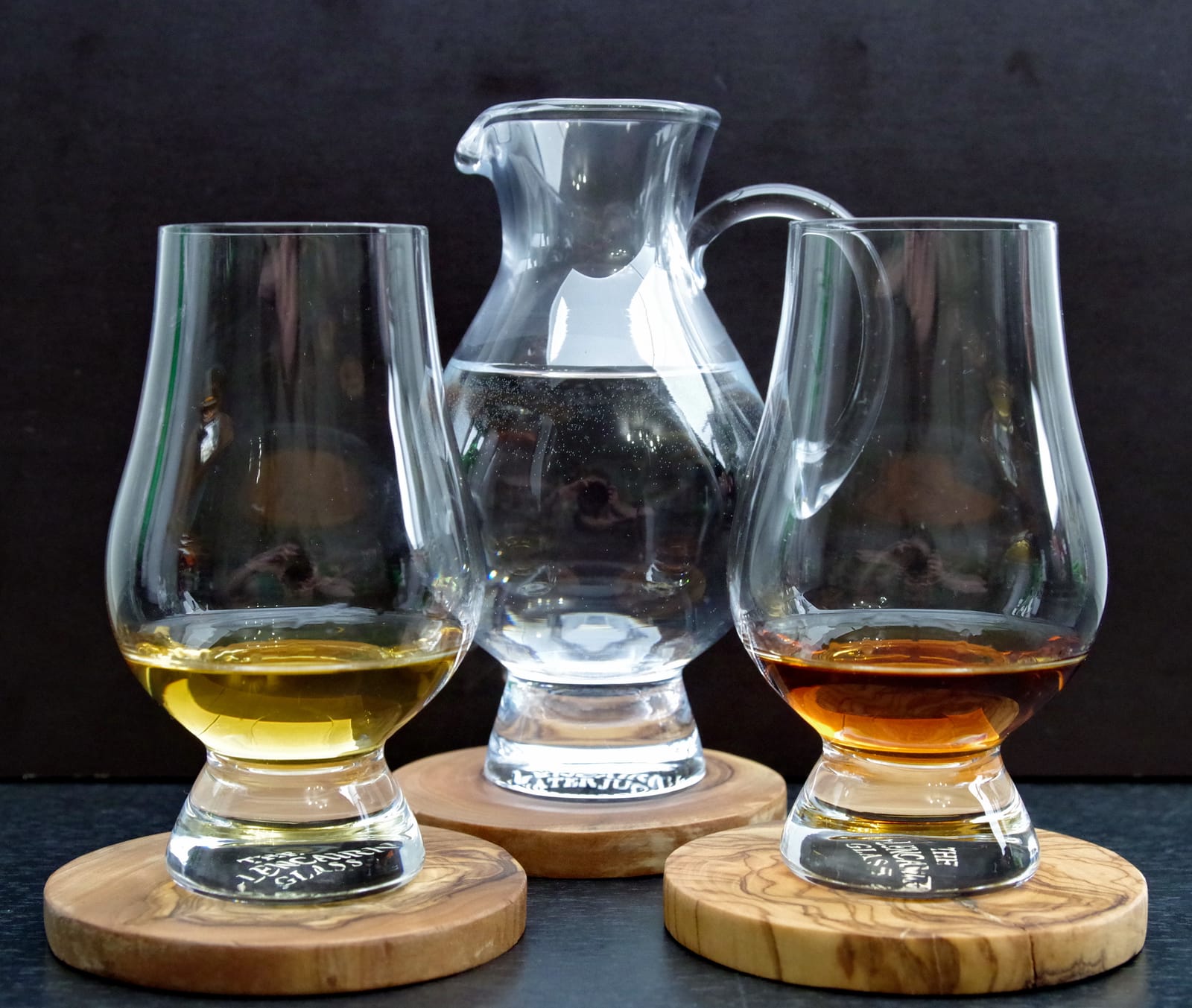
The official bottling is the distillery telling its own story, in its own voice, with its own interests in mind. The independent bottling is a third party buying casks from that same distillery and presenting them with no house style to protect and no flagship to flatter. The whisky inside can come from the very same stills. The difference is in the honesty of the label and, often, in the price.
Independent bottlers have existed as long as the trade has, quietly buying parcels of spirit, ageing or finishing them, and bottling them under their own name. At their best they are curators with no incentive to smooth a cask into a brand. What is unusual about a barrel survives, where an official bottling might blend it away to keep the house taste consistent.
The label tells you more, not less
A good independent label reads like a confession in the best sense: the distillery, the cask type, often the year and the cask number, the strength, whether it was coloured or chill-filtered, and how few bottles exist. An official label frequently tells you a brand name, an age, and a paragraph of romance. More information is not a courtesy here, it is the product. It lets you buy on fact rather than on feeling.
This transparency is why independents reward the curious. You can learn a distillery’s character through several independent casks, each slightly different, far better than through a single official expression engineered to be the same every year. The variation is the education.
Where the value lives
Because independents are not paying for the marketing apparatus of a global brand, the same liquid frequently costs less under their label than under the distillery’s own. You are buying the spirit without the advertising budget folded into the price. Not always, and the best independent casks have their own collectors, but as a rule the honest label asks less for comparable whisky.
The caution is that independents vary, cask to cask, by their nature. One barrel is not the next. That is the appeal and the risk in a single sentence, and the answer is the same as everywhere in spirits: taste before you trust, and learn which bottlers share your palate.
Read past the brand
The official bottle is a finished argument, polished and consistent and priced for the polish. The independent bottle is the raw material with the facts attached, often cheaper and almost always more revealing. Read past the brand, learn which independents you trust, and you will drink better distilleries for less, with a label that tells you the truth about what is in the glass.