The age statement is the most trusted number in spirits and one of the least informative. It tells you how long the youngest drop in the bottle sat in wood. It tells you nothing about which wood, in what condition, in what climate, doing what to the spirit while the years passed. A high number sells a bottle. It does not make the liquid good, and often enough it makes it worse.
Wood gives, and then wood takes. In the early years a cask lends a spirit colour, sweetness, and structure. Left too long, the same cask keeps lending until the loan turns into a debt: drying tannin, a bitterness like over-stewed tea, the fruit buried under timber. There is an age past which most casks have said everything worth saying, and the distiller’s skill is knowing when to stop, not how long to wait.
The cask is the recipe
A spirit spends a few days being distilled and many years being a cask’s tenant. By the time it reaches you, the wood has done most of the work. A first-fill cask that held something rich before is generous and fast. A tired cask, refilled too many times, is slow and mean, and no amount of age will wring flavour from a barrel that has none left to give.
This is why a younger spirit from an excellent cask routinely beats an older one from an exhausted one, and why the bottlings that thrill people who taste for a living are so often the ones with modest numbers and remarkable wood. The age statement flatters the patient. The cask rewards the discerning.
Climate is the hidden variable
Where a cask rests changes everything about what a year means. In a warm climate the spirit and the wood interact faster and the angels take a larger share, so a young whisky there can taste older than its number and a very old one can taste tired. In a cool, damp warehouse the same number buys a slower, gentler maturation. Two bottles can share an age statement and share almost nothing else. The number is the same. The years were not.
So the question is never simply how old. It is how old, in what cask, in what climate, and stopped at what point. A distiller who can answer all four is selling craft. One who can only point at the number is selling the number.
Taste the liquid, not the label
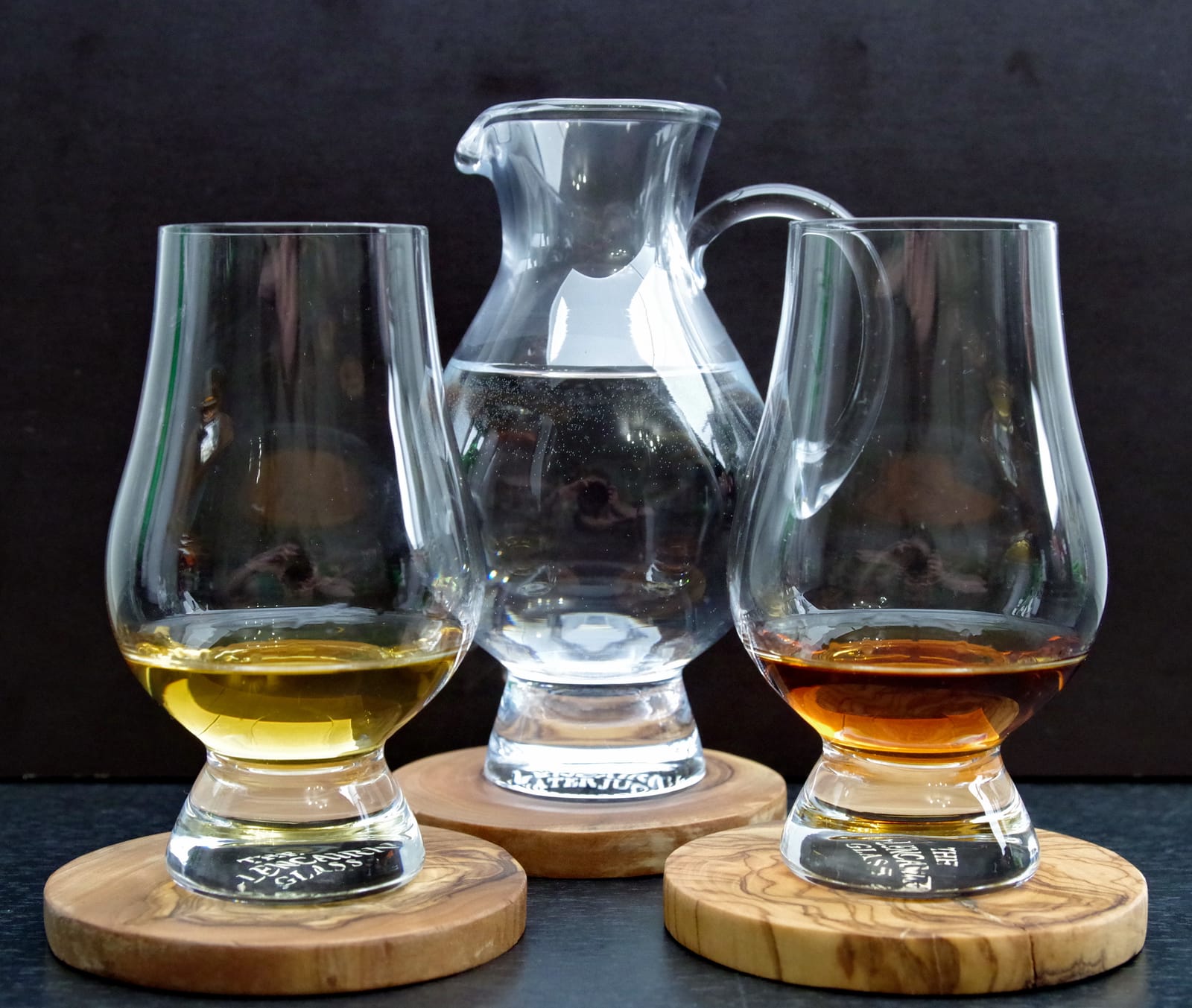
The remedy is simple and almost never followed: taste before you trust. Try the younger expression next to the older one from the same maker. Often you will prefer the younger, and the preference will cost you less, and you will stop paying a premium for a number that was never the point.
Age is a fact about time, not a verdict on quality. The cask is the verdict. Learn to taste the wood, the climate, and the moment the maker chose to stop, and the age statement shrinks to what it always was: one line of small print, easily overrated, on a bottle whose worth was decided in the warehouse long before anyone printed a figure on the front.