The studio is quiet in the way a workshop is quiet, which is to say it is full of evidence. Scraped panels lean against a wall. A table holds more failed attempts than finished ones. D.C. Christian, who shows his paintings by invitation only and almost never otherwise, works here without an audience, and it shows in the work: nothing is performed, everything is decided. I went to look, not to write a catalogue, and came away with the same lesson this magazine keeps arriving at from every other direction. Worth and price are different measurements, and the difference is usually labour.
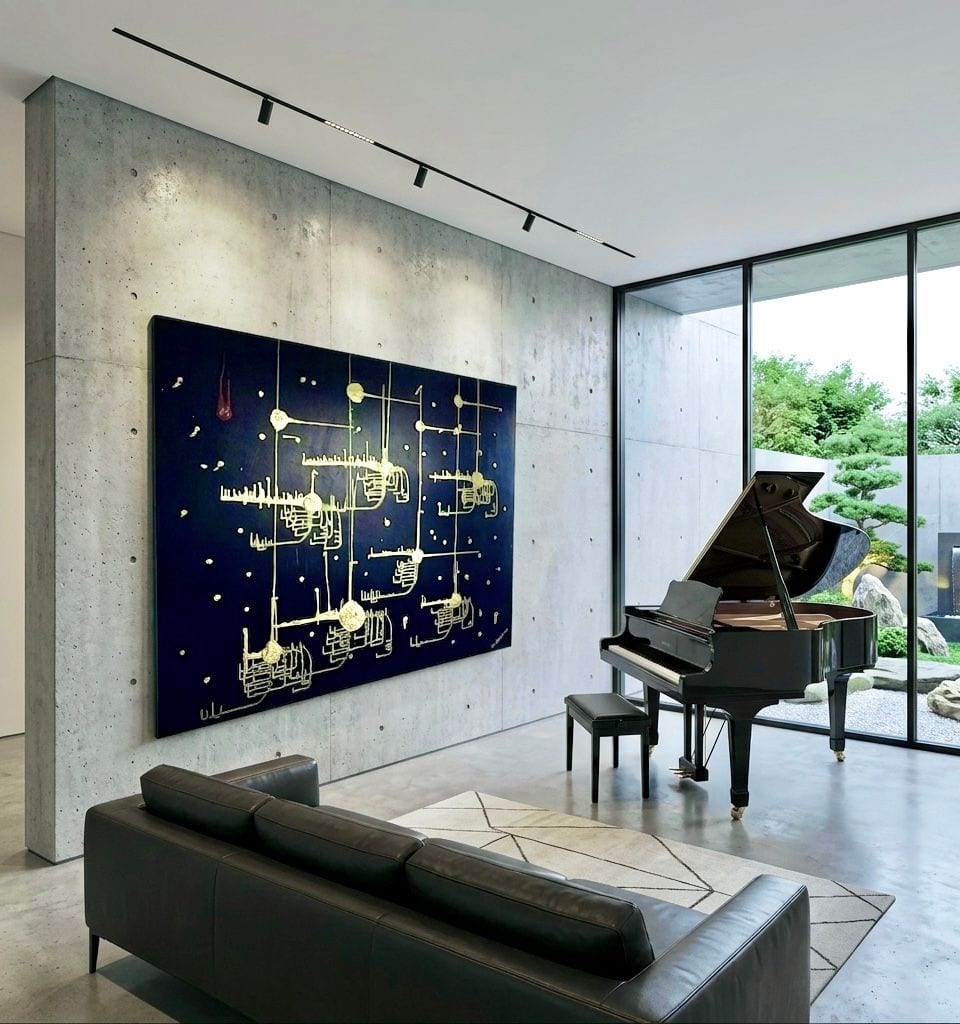
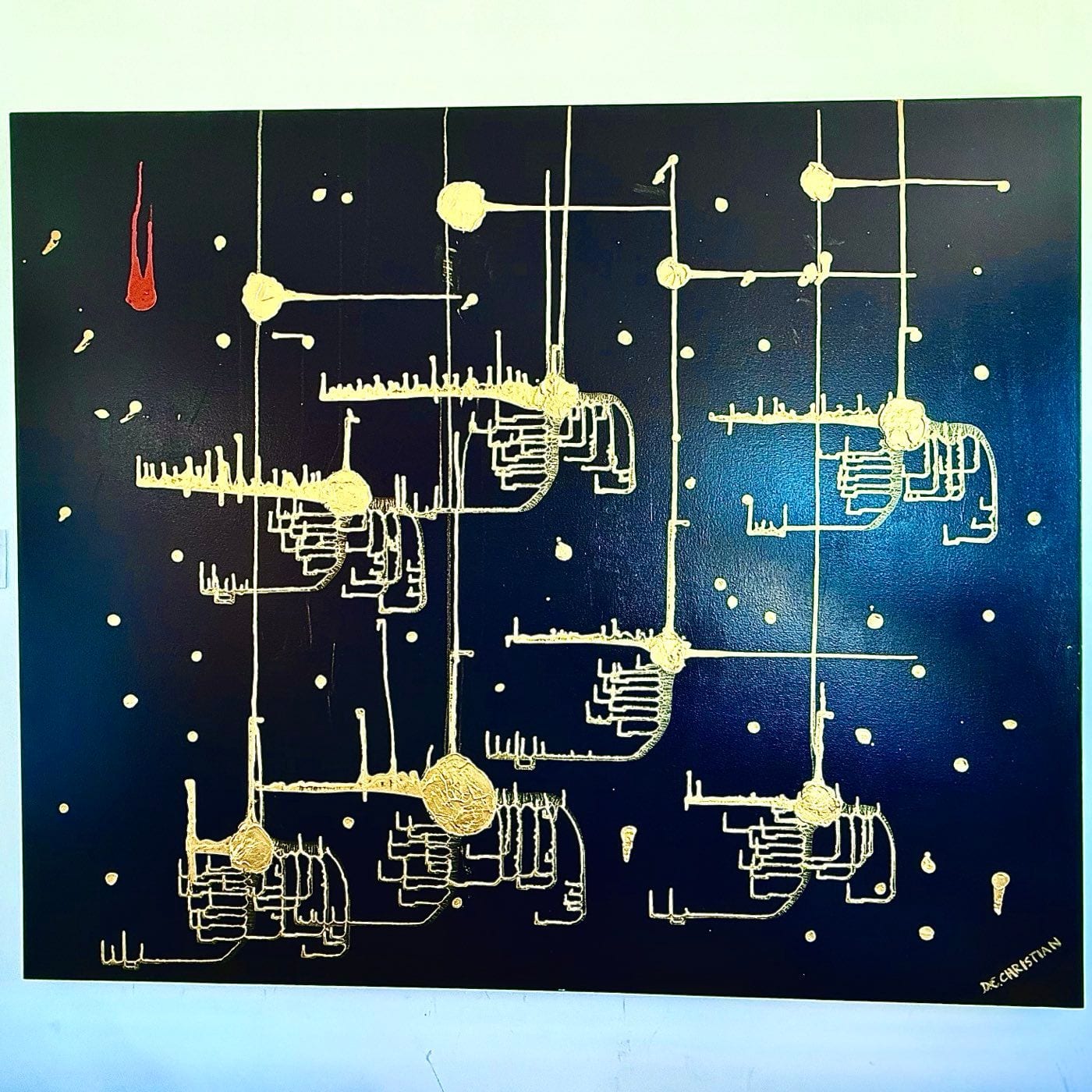
Christian is not interested in being easy to buy. The shows are small, the list is short, and the work does not chase a room. What it does instead is reward the kind of looking most people have stopped doing: the second pass, the step closer, the question of how a passage of paint was actually arrived at. Stand in front of one of the larger canvases and you can read the decisions backwards, hundreds of them, made under pressure and mostly invisible by the time the surface dried.
What the hand cannot fake
Materials are honest in a way that marketing is not. A ground laid too thin betrays itself in a decade whatever the wall text claimed; a colour mixed without conviction stays dull no matter the frame around it. Christian talks about his materials the way a good dealer talks about a car’s history, which is to say plainly and without flattery. He knows what each one will do in ten years because he has ruined enough of them to find out.
That is the line I left with. A buyer tends to see the result: the colour, the subject, the way it will hang. The maker sees the labour, the scraped-back passages and the week lost to a single corner. None of it is on the price tag, and most of it never reaches the wall text. It is, however, the part that lasts, and it is precisely what cannot be hurried or faked.
Why invitation only
There is a temptation to read scarcity as a marketing trick, and often it is. With Christian it is closer to temperament. He would rather a painting go to someone who has stood with it than to whoever bid fastest, and an invitation-only show is simply a way of slowing the room down until that can happen. It is not exclusivity for its own sake. It is the same instinct that makes a serious collector buy the eye rather than the name.
This is where our worlds meet, and why we have made him a partner. The Carnet List exists to put members in rooms the public does not get into, and a private viewing with a painter who does not otherwise open his doors is exactly that kind of room. We do not take a cut of what hangs where. We arrange the introduction and the quiet hour to use it.
The work worth living with
We write a great deal in these pages about provenance and patience, about buying the thing you would keep whether or not it ever rose in value. An afternoon in a working studio is the shortest route to believing it. The paintings that survive a life on the wall are the ones that were difficult to make and are difficult to exhaust, and you can feel that difficulty without naming it, every time the light moves across them.
You do not have to understand painting to recognise this. You only have to stand still long enough, which, it turns out, is the rarest thing a collector can do, and the one most worth practising.