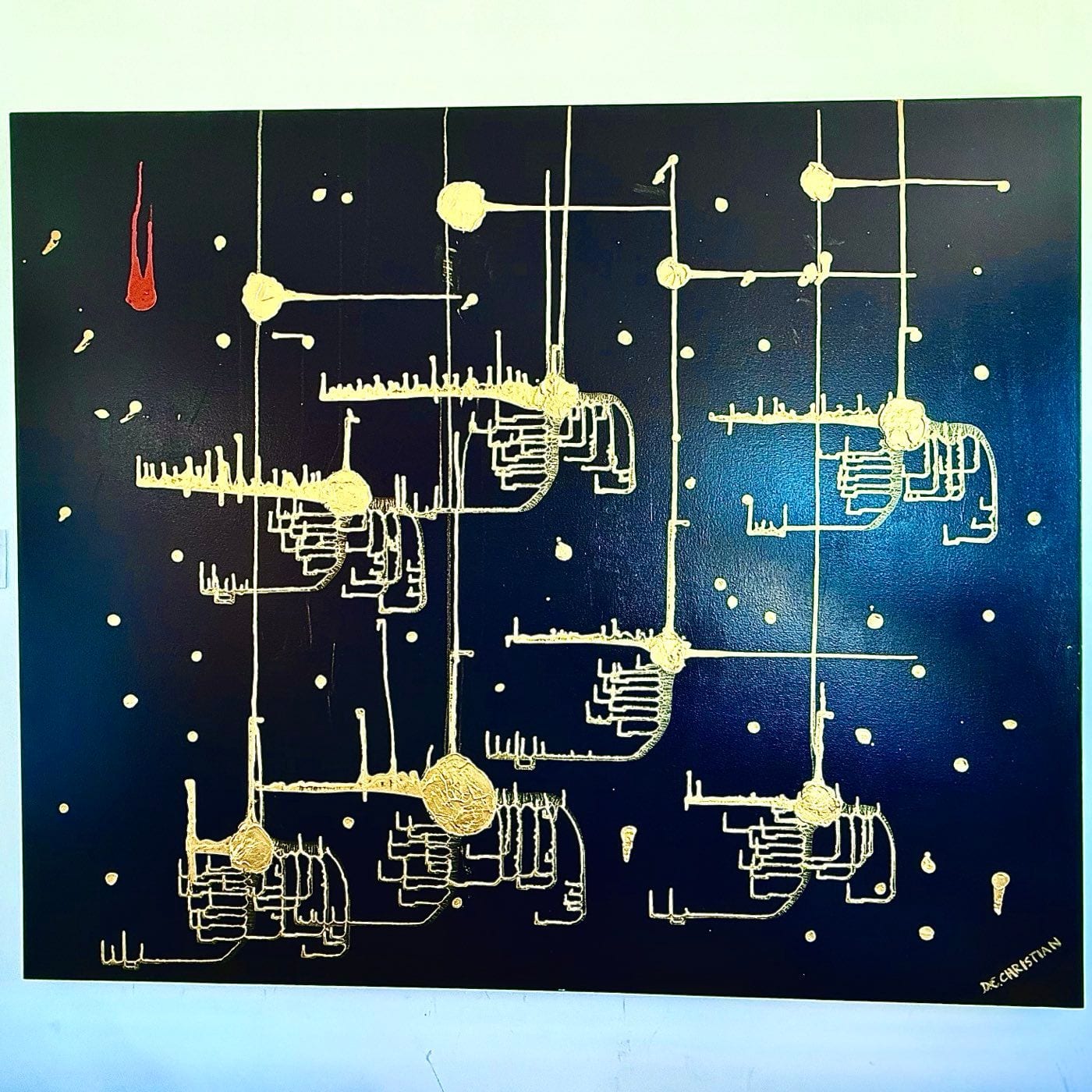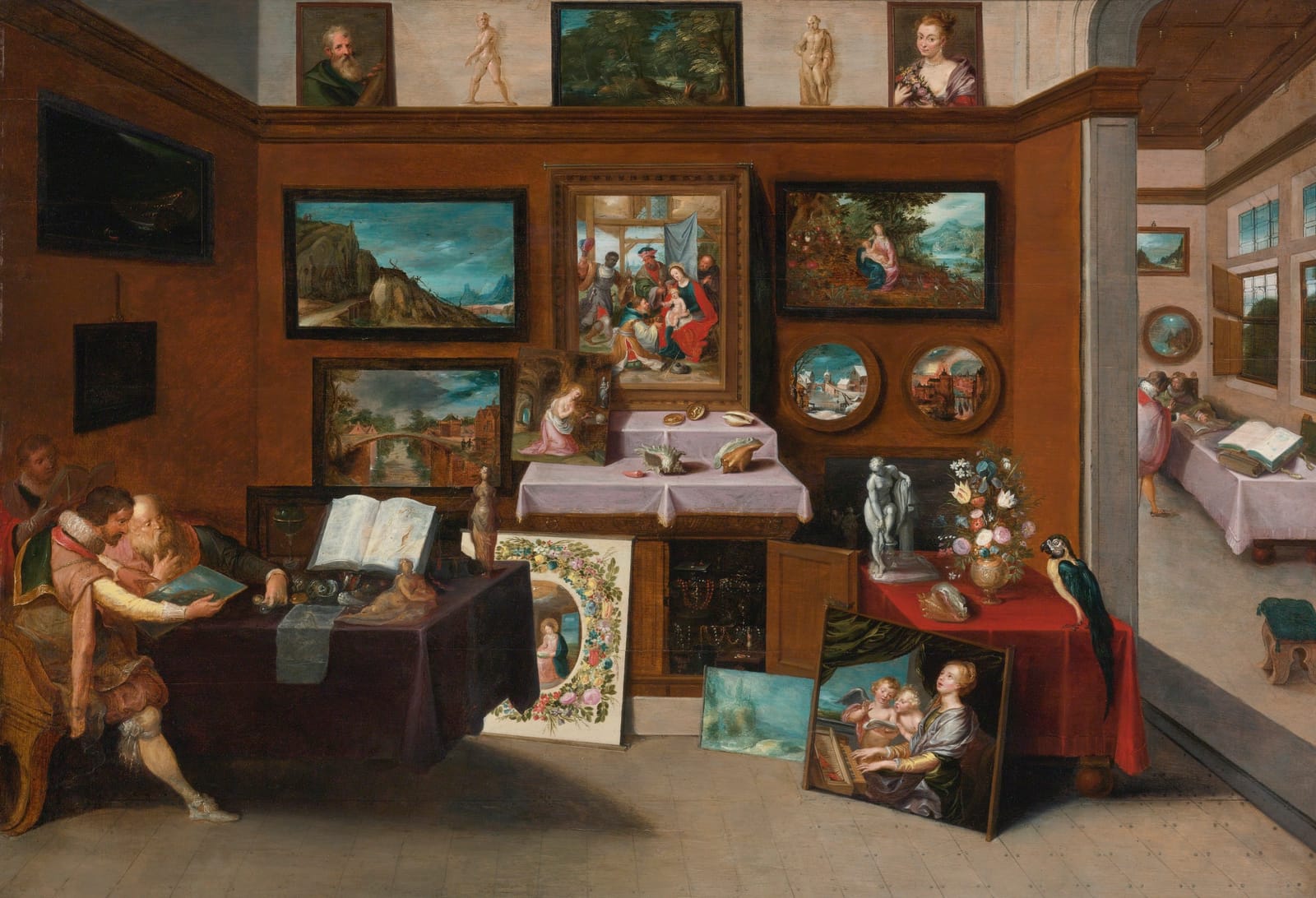
Somewhere in the last few decades, a certain kind of art stopped being looked at. It went from the wall to the warehouse, from the drawing room to the freeport, where it sits in climate-controlled crates as collateral, never hung, sometimes never even unwrapped. It is a perfectly rational way to hold an asset. It is a strange way to own a painting.
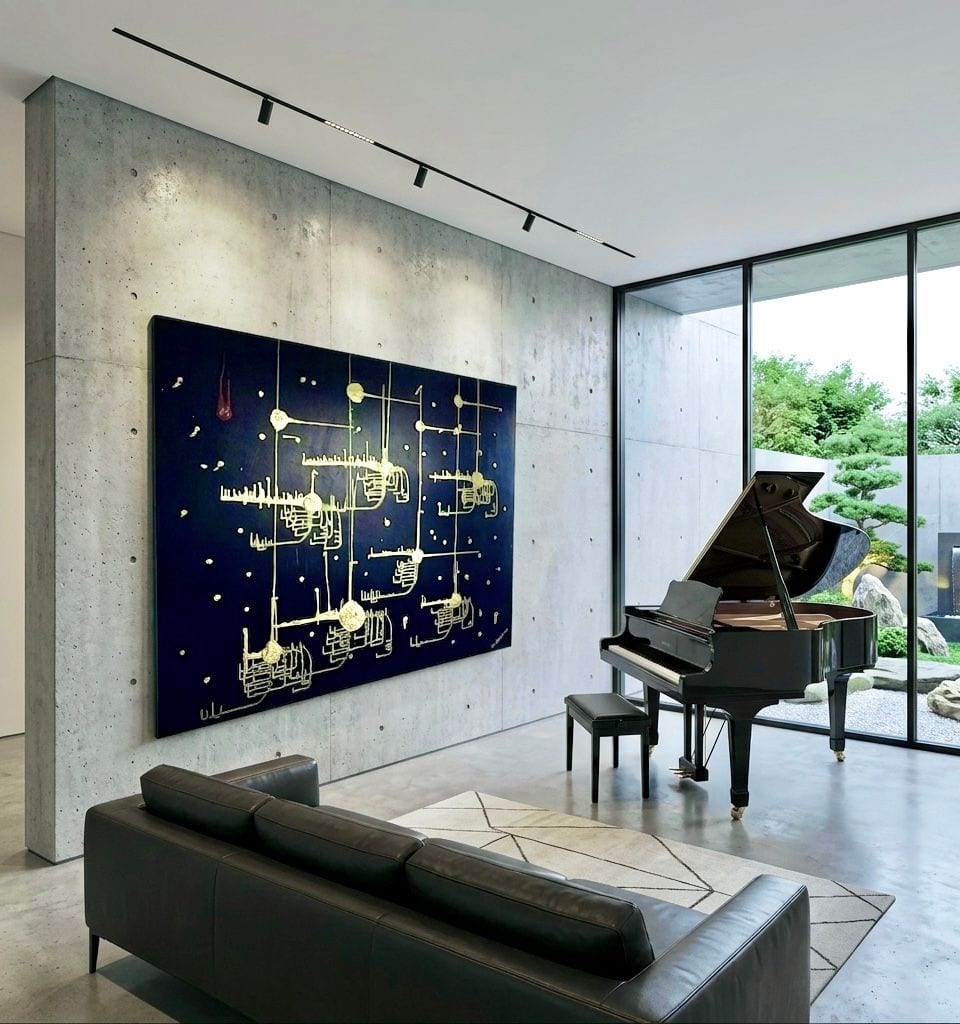
The living collection is the opposite instinct. It buys art to be in the room, to be seen at breakfast and again at dusk when the light has moved, to be the thing a guest stops in front of without being told to. Such a collection may appreciate or it may not. That is not quite the point, and the people who own one know it.
A picture you live with earns its keep differently
A work in storage has exactly one job: to be worth more later. A work on the wall has a hundred small ones. It changes a room. It rewards a second look across a year. It becomes the backdrop to a life and quietly absorbs the meaning of it. None of that shows up on a valuation, and all of it is why the thing was made.
There is a discipline here, the same one the cellar and the humidor teach. You hold the things that reward holding, and you actually use them, because a pleasure deferred forever is not an asset, it is a waste with good paperwork. The collector who never hangs the picture is in the same trap as the one who never opens the wine.
Buy what you can stand to keep
The practical test is unglamorous and reliable: would you hang it if it never rose a penny in value. If yes, buy it and live with it. If the honest answer is that you are holding it only because someone said you should, you are not collecting, you are storing, and a warehouse will do that more cheaply than your taste.
Protect it, then enjoy it
None of this is an argument for carelessness. Hang well, light it kindly, keep it out of the direct sun, insure it sensibly. But protection is in service of use, not a substitute for it. The frame on the wall and the crate in the freeport hold the same object. Only one of them is being owned.
So hang the thing. Let it be looked at. A collection that is lived with is worth more than its valuation in the only currency that finally matters here, which is the pleasure of having it in the room.