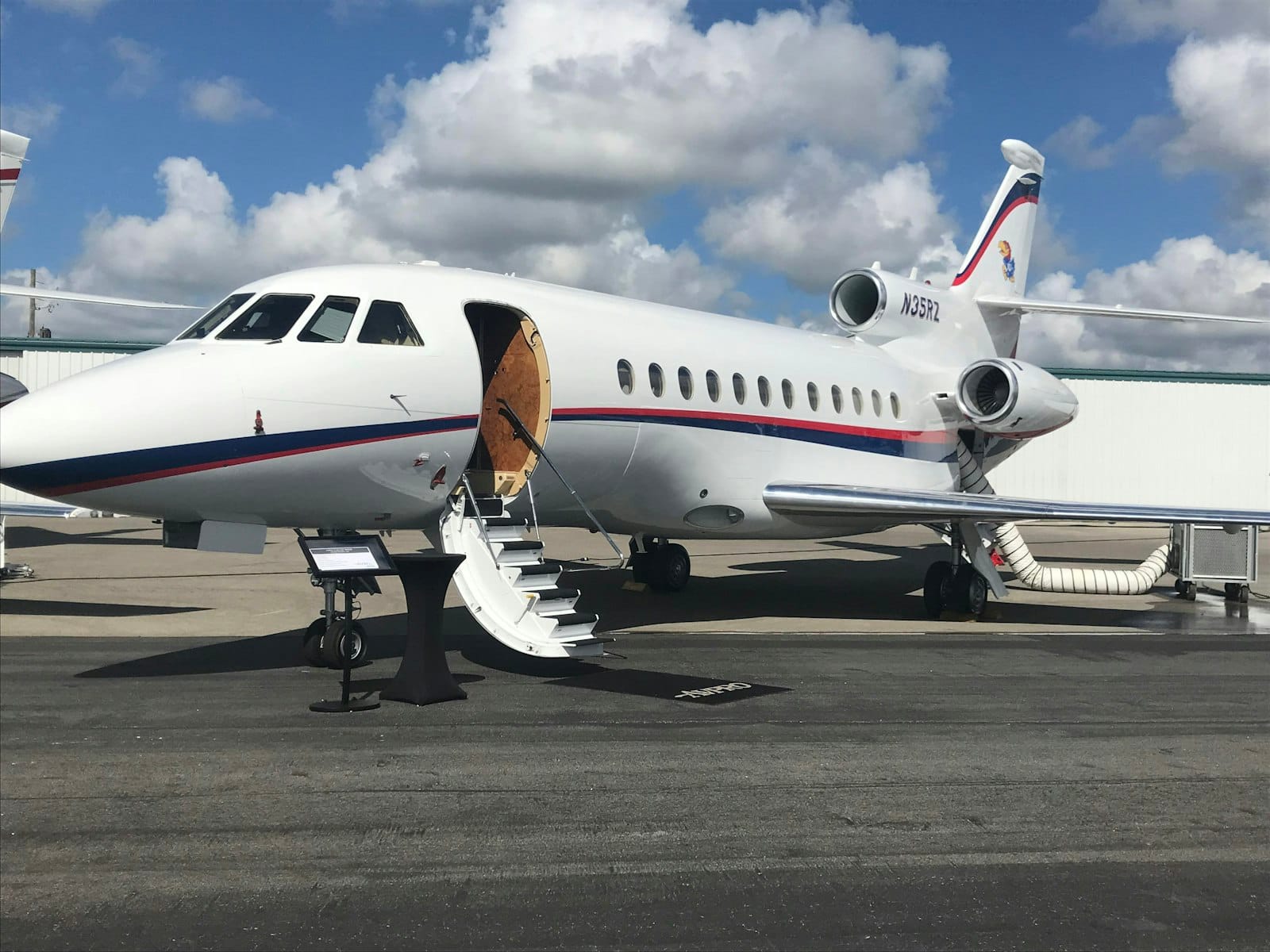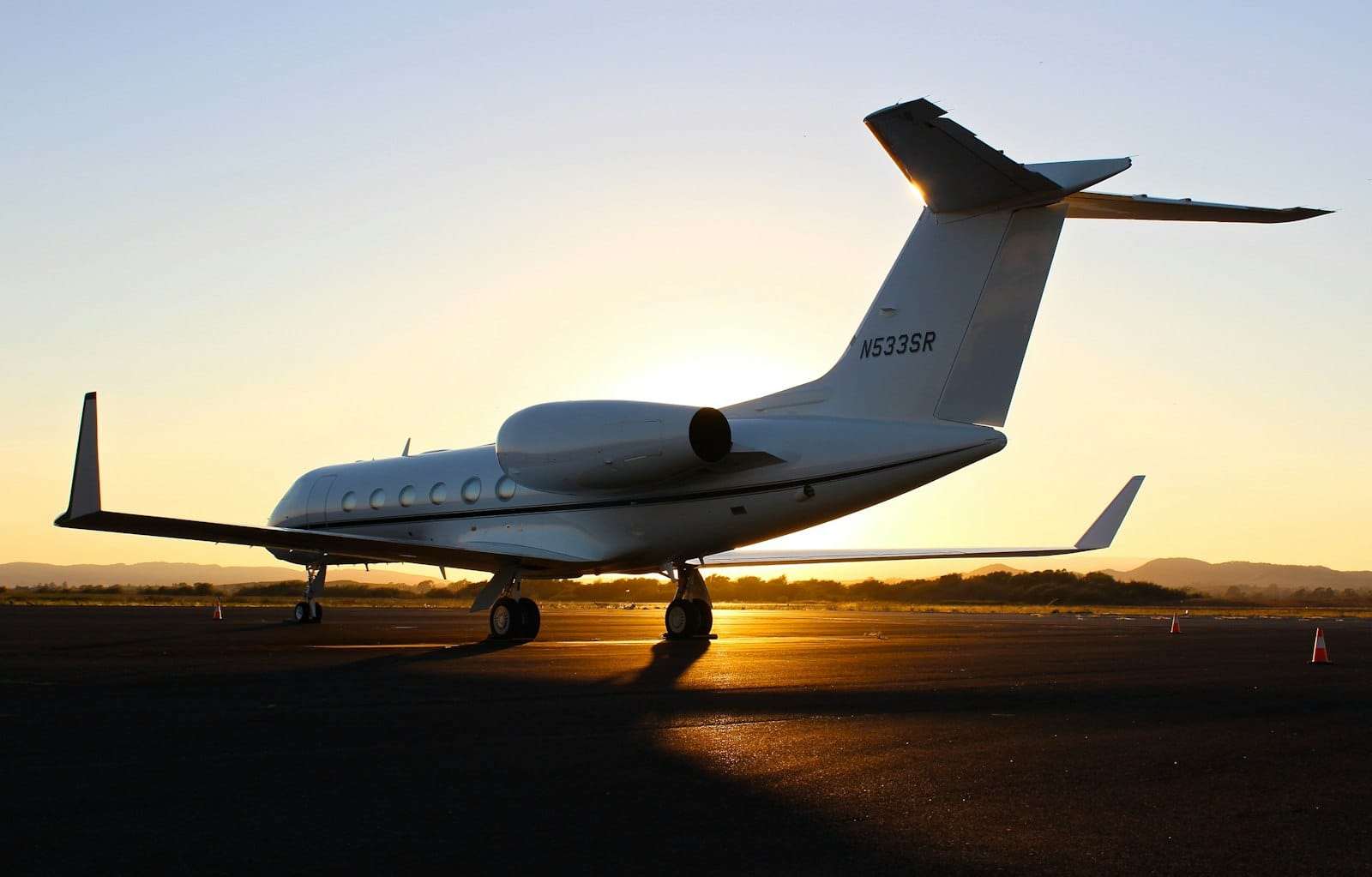
Every private aircraft spends part of its life flying empty. It drops passengers in one city and must reposition to the next pickup, or return to base, with nobody aboard. The operator pays for that leg regardless. To them it is dead cost. To a flexible traveller it is the single best value in private aviation, and most people never learn how to use it.
This is the empty leg: a repositioning flight, already scheduled, sold at a steep discount because the alternative is flying it empty. The aircraft is going anyway. Selling the seats recovers some of a cost the operator has already committed to, which is why empty legs are priced at a fraction of a chartered flight on the same route. The catch, and it is the whole catch, is that you fly on the aircraft’s schedule, not your own.
Flexibility is the price of admission
An empty leg is defined by someone else’s itinerary. The route, the date, often the time, are set by the trip that created the repositioning. Take it, and you trade control for cost. For the traveller who can move within a window, who cares more about the saving than the exact hour, this is a small price. For the traveller who needs to leave at nine on Thursday from a specific field, it is no use at all, and pretending otherwise leads to disappointment.
So the first question is honest self-assessment. Are you genuinely flexible, or only flexible until the date is inconvenient? Empty legs reward the former and frustrate the latter. The people who fly them happily have decided, in advance, that timing is negotiable and price is the point.
How to actually catch one
Empty legs appear and vanish quickly, because the window between an operator knowing it must reposition and the flight departing can be short. Catching the good ones is a matter of visibility and speed: seeing the legs as they are listed, on the routes you care about, and being able to commit before someone else does. This is mostly an access problem, not a price problem. The discount is real and standing. What is scarce is knowing in time.
The second discipline is destination flexibility. The traveller who will fly to one of several nearby fields, or who has more than one event worth attending, catches far more legs than the one fixed on a single airport on a single day.
Make the saving a habit
Treated as a lucky accident, the empty leg is a novelty. Treated as a standing strategy, it is a way to fly privately for a fraction of the chartered cost, several times a year, for anyone willing to be flexible about when and exactly where. Decide that timing is negotiable, watch the right routes, and move quickly. The aircraft was always going to fly. The only question is whether you are on it.